
Introduction: The Spiritual and Cultural Landscape of Varanasi
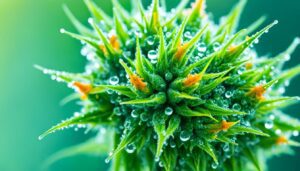
Varanasi, also known as Banaras or Kashi, is one of India’s oldest living cities, famous for its ghats, temples, and spiritual aura. Amidst its sacred lanes and bustling streets, cannabis, locally known as “bhang,” has been intertwined with culture, religion, and social life for centuries. Its use is particularly prominent during religious festivals like Holi and Mahashivaratri, where devotees consume bhang in honor of Lord Shiva. Understanding cannabis in Varanasi requires looking beyond the plant itself and exploring its cultural, legal, and economic significance in this ancient city.
History of Cannabis in Varanasi
Cannabis has a long-standing presence in Varanasi. Historical texts such as the Atharva Veda mention its use for medicinal and ritual purposes. Bhang, derived from cannabis leaves and flowers, has been used for centuries in spiritual ceremonies. It is commonly mixed with milk, ghee, and spices to create a drink that is consumed in religious rituals, particularly in temples dedicated to Lord Shiva, who is considered the patron of cannabis in Hindu mythology.
Over the years, Varanasi became a hub for traditional cannabis preparation and consumption. The city’s association with spirituality has made cannabis more culturally accepted here than in many other parts of India, where usage is often strictly regulated.
Legal Status of Cannabis in Varanasi
Cannabis in India is governed by the Narcotic Drugs and Psychotropic Substances (NDPS) Act of 1985. While the act prohibits the cultivation and sale of most cannabis products, exceptions are made for bhang. In Varanasi, bhang is legally sold in licensed shops and consumed during religious rituals. This makes Varanasi a unique case in India, where cannabis enjoys both traditional reverence and partial legal allowance.
It is important to note that while bhang is legal, other forms of cannabis, such as charas (hashish) and ganja (marijuana buds), are illegal without special licenses. Law enforcement in Varanasi generally tolerates bhang-related activities, particularly around festivals, but strict action can be taken against unlicensed sales or recreational use of banned forms.
Cultural Significance of Cannabis in Varanasi
Cannabis in Varanasi is more than a recreational substance; it is a cultural emblem. Devotees believe that consuming bhang brings them closer to Lord Shiva, aiding meditation and spiritual connection. During festivals, streets come alive with bhang vendors and traditional drinks, while sadhus (holy men) openly consume cannabis as part of their ascetic practices.
Additionally, cannabis has found its way into local cuisine. Bhang pakoras, sweets, and thandai (a spiced milk drink) are popular, especially during Holi. The plant also contributes to the local economy through these legal preparations, as shops selling bhang and related products thrive on the demand from tourists and pilgrims alike.
Methods of Consumption
In Varanasi, cannabis is consumed in multiple ways:
-
Bhang Thandai – A milk-based drink infused with cannabis, often sweetened and spiced with cardamom and saffron.
-
Bhang Pakoras – Savory fritters incorporating cannabis paste.
-
Smoking Charas – Though largely illegal, some sadhus and traditional practitioners use charas in a ritualistic context.
-
Bhang Laddus – Sweet balls made from cannabis paste mixed with ghee and sugar, popular during religious events.
These methods reflect a blend of tradition, spirituality, and culinary art, showcasing Varanasi’s unique approach to cannabis/weed in Varanasi.
Economic Impact/weed in Varanasi
Cannabis-related commerce in Varanasi contributes to the city’s economy in several ways. Licensed bhang shops attract tourists and pilgrims, providing livelihoods to shop owners and local vendors. Festivals like Holi see a spike in sales, and local artisans often craft cannabis-based sweets and drinks that are sold commercially. While illegal cannabis trade exists, it is smaller in comparison to the culturally sanctioned bhang market.
Health and Medicinal Uses
Traditional Indian medicine, particularly Ayurveda, recognizes cannabis as a therapeutic plant. In Varanasi, bhang is used for digestive aid, pain relief, and as a mild sedative. Locals believe that moderate consumption improves mood, relieves stress, and supports spiritual practice. However, excessive use can lead to negative health effects, including anxiety, impaired cognition, and dependence.
Modern studies corroborate some medicinal properties of cannabis, but it is crucial to use it responsibly. Licensed bhang shops usually provide moderate doses suitable for consumption without significant health risks.
Tourism and Cannabis Culture/weed in Varanasi
Varanasi’s cannabis culture attracts both domestic and international tourists. Visitors often seek authentic bhang experiences during festivals or want to learn about the traditional preparation methods. Cultural tours frequently include visits to ghats where sadhus consume cannabis, allowing tourists to understand its spiritual context. Cannabis has, therefore, become an integral part of Varanasi’s tourism identity, complementing its religious and historical appeal.
Social Perception
In Varanasi, cannabis enjoys a relatively positive social perception compared to many other regions. Its association with spirituality, religion, and tradition fosters acceptance, particularly among older generations and spiritual practitioners. However, some sections of society, especially those influenced by modern urban norms, view recreational use with skepticism. This dual perception highlights the balance Varanasi maintains between tradition and modernity.
Modern Challenges and Regulation
Despite its cultural acceptance, cannabis faces challenges in Varanasi. Regulatory restrictions mean that unlicensed sale or recreational use of ganja and charas can lead to legal consequences. The growing tourism demand sometimes creates a gray market, complicating law enforcement. Authorities are also concerned about public health implications and the need to ensure that cannabis use remains responsible and culturally aligned.
References on weed in Varanasi
-
National Institute of Social Defence, “Cannabis in Indian Culture and Religion,” 2020.
-
Ministry of AYUSH, Government of India, “Ayurvedic Uses of Cannabis,” 2019.
-
NDPS Act, 1985, Government of India.
-
Singh, R., Bhang and Tradition in Northern India, Varanasi University Press, 2018.
-
Sharma, P., Spiritual Practices and Substance Use in Kashi, Journal of Cultural Studies, 2017.
FAQs
Q1: Is bhang legal in Varanasi?
Yes, bhang is legally sold in licensed shops in Varanasi and can be consumed during religious festivals.
Q2: Can tourists consume bhang safely?
Tourists can consume bhang from licensed shops in moderation. It is advisable to start with small amounts to avoid adverse effects.
Q3: Are all forms of cannabis legal in Varanasi?
No. Only bhang is legally permitted. Charas and ganja require special licenses and are generally illegal for recreational use.
Q4: What are the traditional methods of consuming cannabis in Varanasi?
Traditional methods include bhang thandai, bhang laddus, bhang pakoras, and occasional ritualistic smoking of charas by sadhus.
Q5: Does cannabis have medicinal value according to local practices?
Yes. Ayurveda recognizes cannabis for digestive aid, pain relief, and mild sedative effects, particularly when consumed in traditional bhang preparations.
Conclusion on weed in Varanasi
Cannabis in Varanasi is a unique blend of tradition, spirituality, and regulated legality. Rooted in centuries-old religious practices, its consumption—particularly as bhang—reflects the city’s enduring cultural identity. While modern legal frameworks impose certain restrictions, the spiritual and economic significance of cannabis ensures its continued presence in the daily life of Varanasi. Visitors and locals alike can witness a city where sacred rituals and traditional substances coexist harmoniously, making cannabis a symbol of both heritage and contemporary cultural tourism.
Mr. Josh’s product exceeded my expectations in both potency and purity, I really appreciated the discretion and professionalism in the delivery process , you can reach to him on Telegram https://t.me/joshlegitplug and also there email joshchris385@gmail.com
Highly recommend for medical users looking for consistent effects.
The indica blend helped me finally sleep through the night thank you.
I appreciate how Mr. Josh respects privacy and always stays professional.
I’ve tried products from multiple vendors, but Mr Josh stands out.
I was skeptical at first, but now I won’t shop anywhere else, the product smells like pine and citrus—very inviting.
