
Introduction to Cannabis in Ulsan
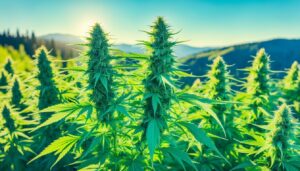
Ulsan, a major industrial powerhouse on South Korea’s southeastern coast, is widely recognized for its shipbuilding, automotive production, and petrochemical industries. As home to global corporations and a highly structured workforce, the city reflects discipline, productivity, and strong adherence to national laws. Within this environment, cannabis—commonly known as weed—remains strictly prohibited and socially stigmatized.
While global narratives around cannabis have shifted in recent years, Ulsan continues to align with South Korea’s firm anti-drug policies. Understanding cannabis in Ulsan requires an examination of legal frameworks, enforcement practices, cultural attitudes, and the risks associated with violating these strict regulations.
Legal Status of Cannabis in Ulsan
Cannabis is illegal in Ulsan under South Korea’s Narcotics Control Act, which governs all drug-related matters nationwide. The law explicitly prohibits:
-
Possession of cannabis
-
Use or consumption
-
Cultivation and distribution
-
Importation of cannabis products
Even small amounts can result in criminal charges. A notable feature of South Korean law is its extraterritorial enforcement—citizens can be prosecuted for using cannabis abroad, even in countries where it is legal.
Penalties for violations may include:
-
Imprisonment
-
Heavy fines
-
Permanent criminal records
Foreign residents and visitors are subject to the same laws and may face deportation or re-entry bans if convicted.
Enforcement and Policing in an Industrial City
Ulsan’s status as an industrial hub contributes to strict law enforcement practices. Authorities prioritize safety, productivity, and compliance, particularly in industries where impairment could lead to serious accidents.
Enforcement strategies include:
-
Monitoring of digital communications and online marketplaces
-
Collaboration with national and international agencies
-
Random drug testing in certain industries
Law enforcement agencies maintain a proactive stance, ensuring that drug-related activities are detected and addressed swiftly.
Cultural Attitudes Toward Cannabis
Cannabis is widely viewed negatively in Ulsan. The city’s culture, shaped by its industrial workforce and traditional values, reinforces a strong anti-drug stance.
Key factors influencing perception include:
-
Emphasis on discipline and responsibility
-
Social expectations of law-abiding behavior
-
Media narratives linking drug use to crime and moral decline
In Ulsan, cannabis use is not seen as a personal choice but as a serious violation of societal norms.
Workplace Policies and Zero-Tolerance Culture
Ulsan’s economy is driven by major corporations, including automotive and shipbuilding companies. These industries enforce strict workplace policies regarding drug use.
Common measures include:
-
Zero-tolerance policies
-
Routine or random drug testing
-
Immediate disciplinary action for violations
Employees found using or possessing cannabis risk losing their jobs and damaging their professional reputation.
Medical Cannabis: Limited Access
South Korea allows limited use of medical cannabis under strict regulations. In Ulsan, access is highly controlled and requires:
-
Government approval
-
Prescription for specific medical conditions
-
Use of approved, non-psychoactive or low-THC products
The process is complex and ensures that medical cannabis remains rare and tightly regulated.
Awareness Among Younger Residents
Younger people in Ulsan are increasingly exposed to global cannabis trends through social media and international content. This has led to:
-
Greater awareness of legalization in other countries
-
Curiosity about cannabis culture
-
Occasional discussions about policy reform
However, legal risks and social expectations continue to discourage use, and acceptance remains limited.
Public Education and Prevention Campaigns
The South Korean government places strong emphasis on drug prevention, and Ulsan is no exception. Public education efforts include:
-
School-based programs
-
Workplace training sessions
-
Nationwide awareness campaigns
These initiatives highlight the legal consequences and health risks associated with cannabis use, reinforcing a culture of avoidance.
Risks of Cannabis Use in Ulsan
Using cannabis in Ulsan carries significant risks across multiple dimensions.
Legal Risks
-
Arrest and prosecution
-
Imprisonment or fines
-
Deportation for foreigners
Social Risks
-
Damage to reputation
-
Loss of employment opportunities
-
Strained relationships
Health Risks
-
Unregulated product quality
-
Potential contamination
-
Lack of medical oversight
These risks make cannabis use particularly dangerous in the city.
Tourism and Legal Misconceptions
Visitors to Ulsan may assume that global trends toward cannabis legalization apply locally. However, South Korea enforces its laws uniformly across all regions.
Tourists should be aware:
-
Cannabis is illegal everywhere in the country
-
Penalties apply equally to foreigners
-
Ignorance of the law is not a defense
Respecting local laws is essential for a safe visit.
Underground Activity and Hidden Realities
While cannabis is illegal, there may be a small underground presence in Ulsan. However, this environment is:
-
Highly secretive
-
Difficult to access
-
Extremely risky due to law enforcement
Authorities actively work to dismantle illegal networks, making involvement dangerous and unpredictable.
Media Influence and Public Perception
Media coverage in South Korea plays a significant role in shaping attitudes toward cannabis. In Ulsan, high-profile cases involving drug use often result in:
-
Public backlash
-
Legal consequences
-
Career damage
These cases reinforce the negative perception of cannabis and serve as deterrents.
Health Considerations in an Unregulated Environment
Because cannabis is illegal in Ulsan, there is no regulatory oversight of products. This creates additional health risks, including:
-
Unknown potency
-
Presence of harmful additives
-
Lack of safety testing
Users face uncertainty regarding both quality and effects.
Comparison with Global Cannabis Trends/weed in Ulsan
The global shift toward cannabis legalization contrasts sharply with Ulsan’s strict policies.
Key differences include:
-
Regulated markets vs. total prohibition
-
Social acceptance vs. strong stigma
-
Safe access vs. underground risks
This contrast highlights the unique environment in which Ulsan operates.
Legal Consequences and Long-Term Impact/weed in Ulsan
Being caught with cannabis in Ulsan can have serious long-term consequences.
Immediate consequences:
-
Arrest and detention
-
Criminal charges
-
Fines or imprisonment
Long-term impacts:
-
Difficulty securing employment
-
Travel restrictions
-
Social stigma
For foreigners, deportation and entry bans add to the severity.
Government Policy and Future Outlook/weed in Ulsan
South Korea’s government maintains a firm stance against cannabis. While global trends may influence discussions, significant changes are unlikely in the near future.
Factors influencing policy include:
-
Public opinion
-
Cultural values
-
International developments
Ulsan is expected to continue adhering to national policy.
FAQs About Weed in Ulsan
Is cannabis legal in Ulsan?
No, cannabis is illegal in Ulsan and throughout South Korea.
Can foreigners use cannabis in Ulsan?
No, foreigners are subject to the same strict laws and penalties.
Is medical cannabis available?
Only in limited cases with government approval.
What happens if someone is caught with cannabis?
They may face arrest, fines, imprisonment, or deportation.
Is CBD legal in Ulsan?
Only specific approved CBD products are allowed under strict regulations.
Is cannabis socially accepted?
No, it carries strong stigma and is widely discouraged.
Are there any legal ways to access cannabis?
No, access is strictly prohibited outside limited medical exceptions.
References on weed in Ulsan
-
South Korean Narcotics Control Act
-
Government anti-drug campaigns and public health initiatives
-
Academic research on drug policy in East Asia
-
Media coverage of drug-related cases in South Korea
-
Comparative analyses of international cannabis laws
Conclusion on weed in Ulsan
Cannabis in Ulsan exists within a strict framework of prohibition, enforcement, and social disapproval. As an industrial city that values discipline and productivity, Ulsan reflects South Korea’s broader commitment to maintaining a zero-tolerance approach to drug use.
Despite growing global acceptance of cannabis, the city remains firmly aligned with national policy. For residents and visitors, understanding and respecting these laws is essential to avoid serious legal and social consequences.
Ulsan stands as a clear example of a society where traditional values, legal structures, and economic priorities converge to maintain strict control over cannabis. For the foreseeable future, there is little indication that this stance will change, reinforcing the city’s commitment to order and compliance.
in need of some hooker, any body to help???
Skywalker product exceeded my expectations in both potency and purity, I really appreciated the discretion and professionalism in the delivery process , you can reach to him on Telegram t.me/skywalkerOG_1 and also there email realskywalkerog1@gmail.com
Great selection of all products. I was blown away with how many strains they had available! 13/10 would recommend to anyone! For sure will be back.

I love it .My husband has stage four cancer and he isn’t eating or waking up . sky helped me so much . He took his time . Listen to my issue for my husband . Although I did spend and tipped because he gave me first class service .I didn’t have a clue what to get . I will be a returning customer.