
Weed in Situbondo — Legal Framework, Local Reality, Culture, FAQs, References & Conclusion
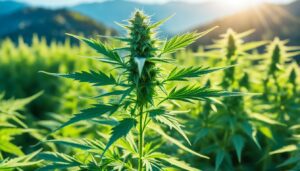
Situbondo is a regency on the northeastern coast of East Java province in Indonesia, notable for its coastal landscapes, local communities, and active efforts by law enforcement to counter illegal drugs. While the term “weed” (cannabis, ganja) may be well‑known globally, in Situbondo it falls under Indonesia’s extremely strict narcotics laws — meaning it is illegal across all forms of possession, use, sale, cultivation, and distribution. This article explores the legal status of cannabis in Situbondo, how enforcement takes place, social perceptions, public health considerations, practical realities for residents and visitors, a detailed FAQ section, a conclusion summarizing key points, and sourced references.
Cannabis Legality in Situbondo and Indonesia
Cannabis (weed) is illegal in Situbondo because it is illegal everywhere in Indonesia under Law No. 35 of 2009 on Narcotics. In this legislation, cannabis and all its derivatives — including leaves, buds, resin, hashish, oils, and any processed forms — are categorized as narcotics Group I, a category reserved for substances considered highly prone to abuse with no recognized medical use under current Indonesian law. (Alodokter)
In practice, this means:
-
Possession or personal use of cannabis can lead to criminal charges, including imprisonment and fines.
-
Cultivation or growing of cannabis plants is a criminal act with severe penalties.
-
Distribution and trafficking — including selling or transporting weed — carries heavier prison terms or fines.
-
Importing or exporting cannabis or cannabis products, even if legally obtained in other countries, is prohibited under Indonesian law. (Alodokter)
Cannabis is treated by law much like heroin, methamphetamine (sabu‑sabu), and other controlled substances; it is not differentiated for medicinal use, and there is no legal medical cannabis regime. (Wikipedia)
Enforcement Patterns in Situbondo: Narcotics Operations and Cannabis Evidence
Even though Situbondo is not widely known for large‑scale cannabis production, cannabis has appeared in evidence seized by police alongside other narcotics during enforcement operations.
Drug Enforcement in Situbondo
Local law enforcement — especially the Satresnarkoba unit (Narcotics Investigation Unit) of the Situbondo Police — conducts regular investigations and arrests involving illegal drugs. Most recent reporting highlights narcotics operations focused on methamphetamine and dangerous pills (okerbaya), but small quantities of cannabis have also been found in these operations:
-
In September 2025, Situbondo police stopped a shipment of dangerous pills and, during the investigation, found 3 lines of marijuana totaling about 1.95 g in the possession of a suspect alongside methamphetamine evidence. The suspect was charged under the Narcotics Law. (VOI)
-
A major evidence destruction event in mid‑2025 included over a kilogram of dried ganja (cannabis) among other narcotics (such as methamphetamine and dangerous pills) that had been legally adjudicated and seized earlier. (Ngopibareng)
In 2025, Situbondo police reported uncovering 55 narcotics cases leading to 62 arrests within the regency; those cases involved both methamphetamine, dangerous pills, and around 2 g of cannabis among evidence. (tapalkuda.disway.id)
These enforcement actions show that cannabis remains part of the broader narcotics landscape — though it typically appears alongside other substances in case disclosures rather than as large‑scale separate cannabis trafficking.
Cannabis and Local Crime Patterns
In Situbondo, narcotics enforcement focuses largely on:
-
Distribution networks involving dangerous pills and methamphetamine.
-
Possession and distribution, often revealed through community reports or intercepts.
-
Logistics channels, including use of delivery or transportation networks.
Because cannabis is illegal and carries criminal penalties, individuals found with weed — even in small amounts — face prosecution under Indonesian narcotics statutes.
Social Attitudes and Public Perceptions Toward Cannabis in Situbondo
Cannabis carries significant stigma in Situbondo society, influenced by national anti‑narcotics messaging and local community norms. Factors shaping public perception include:
-
Strong legal prohibitions backed by media reports and visible police enforcement.
-
Public health campaigns emphasizing the dangers of drug abuse, often without distinguishing between different classes of narcotics.
-
Community concerns about youth exposure, driven by the involvement of young people in various drug cases.
Unlike in countries where cannabis legalization debates are common in mainstream society, in Situbondo such discussions are minimal and generally overshadowed by national anti‑drug policy and deterrence campaigns.
Health, Cannabis Risks, and Public Messaging
Medical and public health institutions in Indonesia — including health departments and BNN (National Narcotics Agency) outlets — generally convey that cannabis use poses risks such as dependency, cognitive effects, and social harm. This framing shapes community understanding and supports ongoing prohibition.
Indonesian law emphasizes wide‑ranging prohibitions over medical access, and the legal status does not recognize cannabis for medical treatment purposes. International research and debates on medical cannabis do not change local legality, which remains prohibitionist. (Alodokter)
Practical Realities for Residents in Situbondo
If You’re a Resident
If you live in Situbondo:
-
Possession or use of cannabis — even small amounts — is illegal and can lead to arrest and prosecution under Law No. 35 of 2009.
-
Police and narcotics units actively investigate and pursue drug cases; awareness and community reporting often trigger enforcement.
-
Cannabis is treated legally the same as other narcotics, with penalties guided by national law.
Even small quantities found with a person alongside any indication of illegal control can result in serious legal consequences.
If You’re a Visitor
Foreign visitors — including tourists and short‑term residents — are subject to the same legal framework. Cannabis possession, use, or importation — regardless of legality in your home country — is illegal in Indonesia and can lead to arrest, imprisonment, and fines. Airport security and customs actively enforce narcotics laws, and foreign nationals have faced severe penalties for importing cannabis or cannabis products. (AP News)
Cannabis in Broader Indonesian and Global Context
Indonesia’s narcotics law, especially after Law No. 35 of 2009, takes a zero‑tolerance approach toward cannabis. This legal approach is reinforced by policy, judicial opinion, and law enforcement. Cannabis is ranked alongside other highly controlled narcotics, and legal challenges — including attempts to remove cannabis from prohibited lists or expand medical access — have not succeeded in changing its status. (Wikipedia)
While some other nations have adopted medical or recreational cannabis reforms, Indonesia remains one of the countries with some of the strictest cannabis prohibition policies in the world — reflected in enforcement operations even in regencies like Situbondo.
FAQs (Frequently Asked Questions)
1. Can I legally use or possess weed in Situbondo?
In Situbondo, using or possessing weed is completely illegal — all forms of cannabis are prohibited by Indonesian narcotics law, and there is no legal exception for recreational or medical use. (Wikipedia)
2. What happens if someone is caught with cannabis?
Cannabis possession — even in small amounts — can lead to arrest, prosecution, and criminal penalties such as imprisonment and fines. The specific sanctions depend on the circumstances, quantity, and whether distribution is suspected. (Wikipedia)
3. Is medical cannabis legal in Indonesia?
No. Indonesian law does not recognize cannabis for medical treatment, and medical cannabis remains illegal. (Alodokter)
4. Do these laws apply to foreigners in Situbondo?
Yes. Foreign citizens face the same laws and penalties as Indonesian nationals if found with cannabis. (AP News)
5. Can cannabis plants or CBD products be grown legally?
No. Cannabis plants, seeds, CBD, and any cannabis derivatives are illegal to grow, possess, and distribute in Indonesia. (Wikipedia)
6. Has cannabis ever been found in Situbondo enforcement operations?
Yes. Situbondo police have found cannabis — though often in small amounts — alongside other drug evidence during narcotics operations reported by local media. (VOI)
7. Are there community programs addressing drug abuse?
Local authorities, schools, and community organizations often run anti‑drug campaigns that include messaging about the dangers and legal risks of cannabis as part of broader narcotics prevention efforts.
8. Why is cannabis prohibited so strictly?
Cannabis is viewed by Indonesian law as a high‑risk, addictive substance with no recognized medical use in the current legal framework — and part of a national anti‑narcotics policy emphasizing strict regulation and zero tolerance. (Wikipedia)
Conclusion
In Situbondo, as across all of Indonesia, weed (cannabis) is illegal and subject to strict punitive regulation. Cannabis — whether for recreational, medical, or industrial use — is classified as a highly controlled narcotic, and involvement with it (possession, distribution, cultivation, import/export) can lead to serious criminal penalties under Law No. 35 of 2009. (Wikipedia)
Despite occasional references to cannabis in enforcement case reports — often alongside other illegal drugs — the dominant legal framework remains uncompromising. Public perceptions in the region tend to view cannabis through the lens of law enforcement and public health messaging, and there is no legal pathway for doctors, patients, or businesses to engage with cannabis lawfully.
For a detailed, authoritative overview of Indonesia’s cannabis laws and penalties, refer to NORML’s country profile: https://norml.org/laws/indonesia.
References
-
Legal classification and status of cannabis under Indonesian narcotics law. (Alodokter)
-
Situbondo police narcotics case involving marijuana and other drugs. (VOI)
-
Situbondo prosecution and evidence destruction including cannabis. (Ngopibareng)
-
Situbondo narcotics enforcement statistics including cannabis evidence. (tapalkuda.disway.id)
-
AP News reporting on foreign arrests for cannabis-related offenses under Indonesia’s strict drug laws. (AP News)
Mr. Josh’s product exceeded my expectations in both potency and purity, I really appreciated the discretion and professionalism in the delivery process , you can reach to him on Telegram https://t.me/joshlegitplug and also there email joshchris385@gmail.com
Highly recommend for medical users looking for consistent effects.
The indica blend helped me finally sleep through the night thank you.
I appreciate how Mr. Josh respects privacy and always stays professional.
Great selection of all products. Awesome employees. I was blown away with how many strains they had available! 13/10 would recommend to anyone! For sure will be back.
Got one hell of a staff, and meets and exceeds any and all CBD needs and expectations. 10/10 coming back!!!
Excellent service..Amazing products..Highly recommend..Definitely earned a customer for life..
I love it .My husband has stage four cancer and he isn’t eating or waking up . Josh helped me so much . He took his time . Listen to my issue for my husband . Didn’t try to make me spend the whole store worth of products . Although I did spend and tipped because he gave me first class service .I didn’t have a clue what to get . I will be a returning customer, Also i later found another great seller too ,Mr josh is not always online ,(PLUTO 420 ) His ZANGI details is link → https://services.zangi.com/dl/conversation/6642633134
