
Weed in São Paulo: Laws, Culture, and Risks
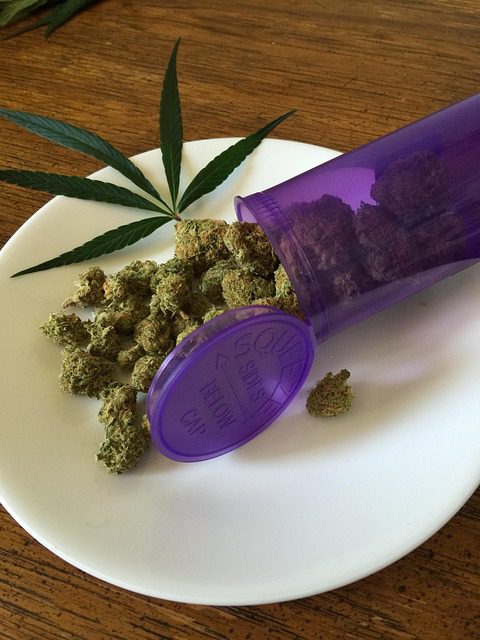
São Paulo, Brazil’s largest city, is known for its vibrant culture, nightlife, and diverse communities. When it comes to weed (cannabis), however, the situation is complex. While Brazil has made some progress toward cannabis decriminalization, weed remains illegal for recreational use. However, it is widely available in São Paulo, and attitudes toward it are slowly shifting on weed in Sao Paulo.
This article will cover:
- The legality of weed in São Paulo
- Consequences of possession and use
- Availability and risks
- Public perception and the future of cannabis in Brazil
Is Weed Legal ?
No, recreational weed is illegal in São Paulo and across Brazil. However, in 2006, Brazil passed a drug law that decriminalized personal use. This means on weed in Sao Paulo:
- If you are caught with a small amount of weed for personal use, you won’t go to jail.
- Instead, you might face a fine, community service, or be required to attend a drug awareness program.
- There is no clear definition of what counts as “personal use”, so punishment depends on the police officer’s judgment.
Meanwhile, medical cannabis is legal in Brazil, but only under strict regulations. Patients need a prescription and approval from ANVISA (Brazil’s health agency) to use cannabis-based medicines, especially those containing THC.
Penalties for Possession and Trafficking
Even though personal use is decriminalized, selling, growing, or trafficking weed is still a serious crime in São Paulo. The penalties include:
- Selling or distributing → 5 to 15 years in prison
- Growing cannabis → Illegal without authorization
- Large-scale trafficking → Can result in long-term prison sentences
Police officers have discretion when deciding if a person is a user or a dealer, which leads to unfair treatment. Wealthier individuals are often seen as “users” and avoid harsh punishments, while poorer individuals are more likely to be arrested and charged as traffickers.
Weed Availability
Weed is easily available in São Paulo, despite its illegal status. Some common ways people obtain it include:
- Buying from street dealers → Many operate in areas like Cracolândia, but this is risky due to crime and police presence.
- Connections through social circles → Many people prefer to buy from trusted sources instead of public markets.
- Online black markets → Some try to use social media or messaging apps to arrange purchases, but this carries legal risks.
The most commonly found cannabis in São Paulo is pressed brick weed (“maconha prensada”), which is usually low quality and mixed with other substances. Higher-quality hydroponic weed (“flor” or “haxixe”) is also available but more expensive.
Public Attitudes Toward Weed in São Paulo
Cannabis is becoming more accepted in São Paulo, especially among young people and the middle class. Many people support legalization or decriminalization, arguing that:
- Regulating weed could reduce drug-related crime
- It could provide tax revenue and medical benefits
- It would reduce unnecessary arrests
At the same time, conservative politicians and religious groups continue to oppose legalization, claiming that drug use leads to crime and social problems.
Despite these debates, São Paulo has a growing cannabis culture, with events like Marcha da Maconha (Marijuana March) advocating for legalization.
What’s Next for Cannabis?
Brazil is slowly moving toward more progressive cannabis policies, but full legalization is still a long way off. While medical cannabis use is expanding, recreational weed remains illegal, and law enforcement is still unpredictable.
If you’re in São Paulo, be aware of the risks before using or possessing weed. While attitudes are shifting, the law still considers cannabis illegal, and police crackdowns are common.
The Future of Cannabis in São Paulo
The future of cannabis in São Paulo is closely linked to developments at the national level. Brazil has begun to shift its approach to cannabis, especially in terms of personal use and medical applications.
A significant legal development came when Brazil’s Supreme Federal Court ruled that possession of cannabis for personal use should not be treated as a criminal offense. While cannabis is still illegal, this ruling represents a step toward decriminalization and a more health-focused approach to drug policy.
In São Paulo, this change could contribute to:
-
Greater public acceptance of cannabis use
-
More open policy discussions around legalization
-
Expansion of harm reduction programs
-
Increased demand for medical cannabis
As Brazil’s financial and innovation hub, São Paulo is likely to play a central role in any future cannabis industry. The city’s strong healthcare infrastructure and research institutions may support:
-
Clinical studies on cannabis-based treatments
-
Growth of pharmaceutical cannabis products
-
Development of regulatory frameworks
Medical cannabis is already gaining traction in Brazil. Patients can legally access cannabis-derived products with proper authorization, and awareness among healthcare professionals is increasing.
Looking ahead, São Paulo could see:
-
Wider availability of cannabis-based medicines
-
Increased investment in the cannabis sector
-
Potential job creation if legalization expands
However, full legalization of recreational cannabis remains uncertain due to political and social factors.
Cannabis Laws in São Paulo
Cannabis laws in São Paulo are determined by Brazilian federal legislation.
Recreational Cannabis
Recreational cannabis is illegal. This includes:
-
Possession (though partially decriminalized)
-
Sale and distribution
-
Cultivation without authorization
However, possession of small amounts for personal use has been decriminalized.
This means:
-
No prison sentence for small quantities
-
Cannabis remains illegal
-
Administrative penalties may still apply
Authorities often use informal thresholds—commonly around 40 grams or a small number of plants—to differentiate between personal use and trafficking.
Penalties for Personal Use
If caught with cannabis for personal use in São Paulo, a person may face:
-
Confiscation of the substance
-
A formal warning
-
Mandatory participation in educational programs or community service
No criminal record or imprisonment is imposed in these cases.
Drug Trafficking
Drug trafficking is a serious offense with strict penalties:
-
5 to 15 years in prison
-
Fines
Police determine intent based on quantity, packaging, and other contextual factors.
Medical Cannabis
Medical cannabis is legal under strict regulations.
Patients in São Paulo can access cannabis-based products if they:
-
Have a prescription from a licensed doctor
-
Receive authorization from ANVISA
Most products are imported, though local production is slowly emerging.
Cannabis Use in São Paulo
Cannabis use in São Paulo reflects the city’s diverse and cosmopolitan nature.
Social Attitudes
São Paulo is considered one of Brazil’s more progressive cities. Among younger generations, artists, and professionals, cannabis is increasingly normalized.
It is often seen as:
-
A recreational alternative to alcohol
-
A way to relax or enhance social experiences
-
Part of global cultural trends
However, stigma still exists, particularly in conservative or corporate environments.
Consumption Patterns
Because cannabis remains illegal, use is generally discreet. Common behaviors include:
-
Consuming cannabis in private homes
-
Sharing among trusted social circles
-
Avoiding public spaces
Public consumption is not common and can lead to legal consequences.
Types of Cannabis
The most commonly available cannabis in São Paulo is “prensado.”
Characteristics include:
-
Compressed and often low-quality
-
Inconsistent potency
-
Affordable and widely available
Higher-quality cannabis, known as “flor,” is available but less common and more expensive.
The Underground Cannabis Market
Due to prohibition, São Paulo has a large and sophisticated underground cannabis market.
Supply Sources
Cannabis in São Paulo typically comes from:
-
Domestic cultivation within Brazil
-
Imports from neighboring countries such as Paraguay
These supply chains are part of broader regional networks/weed in Sao Paulo.
Distribution Channels
The underground market operates through:
-
Personal connections
-
Local dealers
-
Messaging apps and social media platforms
There are no legal dispensaries or regulated outlets.
Risks
The illegal market presents several challenges:
-
Legal risks for users and sellers
-
Lack of quality control, increasing health risks
-
Connections to organized crime
These issues are often cited in arguments for legalization and regulation.
Frequently Asked Questions (FAQs)
Is weed legal in São Paulo?
No. Cannabis is illegal, but possession of small amounts for personal use has been decriminalized/weed in Sao Paulo.
Can you smoke weed in public?
No. Public consumption is prohibited and may result in penalties.
What happens if you are caught with cannabis?
You may receive a warning, have the substance confiscated, and be required to attend an educational program.
Is medical cannabis available in São Paulo?
Yes, with a prescription and ANVISA approval.
Is cannabis easy to find in São Paulo?
Cannabis is available through underground networks, but access depends on personal connections and carries risks.
Is São Paulo cannabis-friendly?
The city is relatively open-minded, but cannabis remains illegal and should be approached with caution/weed in Sao Paulo.
References
-
https://www.leafly.com/news/politics/is-weed-legal-in-brazil
-
https://hightimes.com/news/where-is-cannabis-legal-in-the-world/
Additional sources include:
-
Brazilian Supreme Federal Court rulings
-
ANVISA medical cannabis regulations
-
Drug policy and public health research
Conclusion
Cannabis in São Paulo exists at the intersection of prohibition and change. While still illegal, the decriminalization of personal use and the growth of medical cannabis indicate a gradual shift in policy and perception.
As Brazil’s largest and most influential city, São Paulo is likely to play a key role in shaping the future of cannabis. Its economic strength, cultural diversity, and openness to innovation position it as a potential leader in any future cannabis industry.
For now, cannabis use remains largely private and tied to underground markets. However, ongoing legal reforms and evolving social attitudes suggest that São Paulo may eventually move toward a more regulated and modern approach to cannabis.
Mr. Josh’s product exceeded my expectations in both potency and purity, I really appreciated the discretion and professionalism in the delivery process , you can reach to him on Telegram https://t.me/joshlegitplug and also there email joshchris385@gmail.com
Highly recommend for medical users looking for consistent effects.
The indica blend helped me finally sleep through the night thank you.
I appreciate how Mr. Josh respects privacy and always stays professional.
Great selection of all products. Awesome employees. I was blown away with how many strains they had available! 13/10 would recommend to anyone! For sure will be back.
Got one hell of a staff, and meets and exceeds any and all CBD needs and expectations. 10/10 coming back!!!
Excellent service..Amazing products..Highly recommend..Definitely earned a customer for life..
I love it .My husband has stage four cancer and he isn’t eating or waking up . Josh helped me so much . He took his time . Listen to my issue for my husband . Didn’t try to make me spend the whole store worth of products . Although I did spend and tipped because he gave me first class service .I didn’t have a clue what to get . I will be a returning customer, Also i later found another great seller too ,Mr josh is not always online ,(PLUTO 420 ) His ZANGI details is link → https://services.zangi.com/dl/conversation/6642633134
