
Weed in Fort Worth: Laws, Culture, Risks, FAQs, and Conclusion
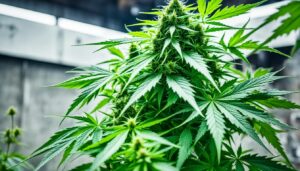
Fort Worth, Texas — part of the Dallas‑Fort Worth metroplex — is a dynamic city with a conservative legal landscape when it comes to weed (cannabis). Unlike states that have legalized marijuana for recreational use, Texas, and by extension Fort Worth, largely prohibits cannabis. That said, the topic is complex: enforcement practices, emerging local discussions, medical exemptions, and statewide penalties all shape how weed is treated in this major Texas city.
This article explores the legal status, penalties, medical cannabis laws, local practices, social context, FAQs, references, and a conclusion summarizing what residents, visitors, and curious observers should know about cannabis in Fort Worth.
Legal Status: Cannabis in Fort Worth and Texas
In Fort Worth, the legal status of cannabis is defined by Texas state law, not local ordinances. Under Texas law, recreational marijuana remains illegal — there is no legal adult recreational market. Possession, sale, cultivation, and distribution of cannabis are criminal offenses, with penalties tied to the amount and circumstances. (FindLaw)
Cannabis is treated as a Schedule I controlled substance under federal law, meaning it is considered to have high potential for abuse with no accepted medical use at the federal level — although federal enforcement priorities vary. (LegalClarity)
Texas law likewise classifies cannabis as illegal for recreational use, and no amount is considered legal to carry without risk of arrest or citation. Possession of any amount, even very small amounts, can expose a person to criminal penalties. (FindLaw)
Possession Penalties in Fort Worth
Small Amounts (Misdemeanors)
Under Texas law:
-
Possession of up to 2 ounces (56 grams): Class B misdemeanor — up to 180 days in county jail and a fine up to $2,000. (FindLaw)
-
Possession of 2 to 4 ounces: Class A misdemeanor — up to 1 year in jail and a fine up to $4,000. (FindLaw)
These penalties apply statewide, including Fort Worth. Even paraphernalia related to cannabis can result in a separate misdemeanor charge with fines. (FindLaw)
Larger Amounts (Felonies)
The penalties grow significantly if quantities exceed four ounces. For example:
-
4 ounces to 5 pounds: State jail felony (180 days to 2 years) and up to $10,000 fine. (FindLaw)
-
5–50 pounds: Third‑degree felony (2 to 10 years) and fine up to $10,000. (FindLaw)
-
Over 50 pounds: Even more serious felony categories with potential decades in prison. (FindLaw)
Fort Worth police and Texas prosecutors follow these state laws when charging offenses. The classification and sentencing depend on the amount in possession, prior record, and other factors. (FindLaw)
Cite‑and‑Release and Enforcement Practices
Cite‑and‑Release Option
Since a 2007 law, Texas law enforcement has the option to issue citations rather than immediate arrest for certain Class B misdemeanors — including small‑scale marijuana possession. In Fort Worth, officers may use this “cite and release” practice for possession of four ounces or less, requiring the individual to attend a court date rather than posting immediate bail. (Fort Worth Report)
However, cite‑and‑release is not mandatory — officers and jurisdictions vary in its use. Some citations are issued, while others still lead to traditional arrest and booking depending on circumstances and police discretion. (Fort Worth Report)
Court Discretion and Deferred Programs
Fort Worth and Tarrant County courts may offer diversion or deferred prosecution programs for qualifying first‑time offenders. Completing counseling, community service, or other conditions can sometimes avoid jail time and prevent a conviction from going on a permanent record. (The Dameron Law Firm)
Medical Marijuana in Texas and Fort Worth
Compassionate Use Program
Texas does allow limited medical cannabis under the Texas Compassionate Use Program (TCUP) — one of the most restrictive medical marijuana programs in the U.S. (Texas Cannabis Information Portal)
Under TCUP:
-
Patients with qualifying conditions (such as epilepsy, terminal cancer, multiple sclerosis, autism, PTSD, and others) may receive low‑THC cannabis oil (typically with ≤1% THC). (Texas Cannabis Information Portal)
-
The medical condition must be diagnosed by a physician registered with Texas Department of Public Safety’s Compassionate Use Registry. (Texas Cannabis Information Portal)
-
Licensed dispensaries — while limited in number statewide — can legally dispense these products to registered patients in Fort Worth and elsewhere. (Texas Cannabis Information Portal)
No Recreational Sales
There are no legal recreational cannabis shops or delivery services in Fort Worth. Medical marijuana delivery exists only under state rules for TCUP patients. (Texas Cannabis Information Portal)
Cultivation and Sale: Illegal Without Exception
Texas law does not permit personal cultivation of cannabis plants for recreational or medical use. Growing a plant — even a single cannabis plant — can lead to felony charges under state law. (FindLaw)
Likewise, selling or delivering marijuana without proper licensing is illegal and treated as a separate felony offense. Even small amounts given away or exchanged can result in misdemeanor or felony charges depending on weight and intent. (FindLaw)
Drug‑Free Zones and Enhanced Penalties
Possession charges in “drug‑free zones” — such as near schools, parks, or daycare centers — can increase penalties or trigger enhanced sentencing rules. This means more jail time or stricter fines compared with the same offense elsewhere. (Luster Law Firm)
In Fort Worth, law enforcement actively enforces these zones, and prosecutors may pursue enhanced charges to deter drug activity around vulnerable populations. (Luster Law Firm)
Social and Cultural Context in Fort Worth
Local Attitudes Toward Cannabis
Fort Worth reflects broader Texas cultural and political attitudes: conservative on drug policy, cautious about liberalizing cannabis laws, but with some growing interest in reform. Public debates and city council discussions have touched on decriminalization proposals, such as reducing penalties for small amounts and shifting some cases from criminal to civil citations. Understanding local sentiment requires recognizing this tension. (FOX 4 News Dallas-Fort Worth)
Some local advocacy groups and council members have introduced proposals to decriminalize possession up to certain amounts — reflecting calls to reduce jail time for non‑violent offenders — though these remain proposals and not law. (FOX 4 News Dallas-Fort Worth)
Practical Enforcement and Community Impact
Many residents report varied enforcement experiences — from citations and paraphernalia fines to arrests that involve probation or court diversion programs. Enforcement can depend on police discretion, context of the encounter, prior record, and whether other offenses are involved. (Reddit)
Regardless, cannabis remains illegal outside medical exemptions, and law enforcement can and does enforce these laws in Fort Worth. (FindLaw)
Health, Safety, and Public Policy Considerations
Medical Use vs. Recreational Debate
While Fort Worth and Texas restrict recreational cannabis, medical use of low‑THC products is expanding modestly under TCUP. Discussions around expanding medical access or reforming recreational laws continue at the state legislative level. Several bills have been introduced in recent sessions aiming to broaden medical eligibility or even legalize recreational use, though none have become law. (MySA)
Notably, Texas passed a law in 2025 regulating the sale and marketing of vape products containing cannabinoids to minors — but possession is not criminalized under this law; only sale and advertising are penalized. (statesman.com)
Public Health Messages
Public health messaging in Fort Worth and Texas generally emphasizes:
-
Risks associated with cannabis use, particularly among young people.
-
Legal ramifications of possession and sale.
-
Support for treatment over incarceration for substance misuse.
These messages shape both enforcement and community perspectives.
Frequently Asked Questions (FAQs)
Is weed legal in Fort Worth?
No. Recreational marijuana is illegal in Fort Worth and throughout Texas. Possession, sale, cultivation, and distribution are criminal offenses. (FindLaw)
Can you legally buy weed for recreational use?
No. There is no legal recreational cannabis market in Fort Worth or elsewhere in Texas. (Texas Cannabis Information Portal)
Is medical marijuana available in Fort Worth?
Yes — but only as low‑THC cannabis oil under the Texas Compassionate Use Program for specific medical conditions. (Texas Cannabis Information Portal)
What happens if I am caught with a small amount of weed?
Possession of up to 2 ounces can be a Class B misdemeanor — up to 180 days in jail and a fine up to $2,000. More than 2 ounces increases penalties significantly. (FindLaw)
Can Fort Worth police issue a ticket instead of arrest?
Yes — officers may use a cite‑and‑release program for up to four ounces, but it’s not mandatory and depends on police discretion. (Fort Worth Report)
Can I grow weed at home in Fort Worth?
No. Home cultivation is illegal and can result in felony charges. (FindLaw)
Are THC products like vapes legal?
Currently, Texas law bans the sale and marketing of vape products containing cannabinoids to minors; possession is not criminalized under that specific law, but general THC products remain illegal outside medical exemptions. (statesman.com)
Conclusion
In Fort Worth, cannabis remains illegal for recreational use and is subject to strict penalties under Texas law. Possession of even small amounts can lead to misdemeanor charges, fines, and jail time; larger quantities carry felony penalties. Cite‑and‑release options and diversion programs offer some flexibility, but they are not a replacement for full legalization/weed in Fort Worth. (Fort Worth Report)
Medical cannabis is available in a limited form through the state’s Compassionate Use Program for patients with qualifying conditions, but this is far narrower than medical marijuana programs in many other states. (Texas Cannabis Information Portal)
Fort Worth reflects broader Texas attitudes: cautious about cannabis reform, with ongoing legislative debates at the state level about decriminalization, medical expansion, or future changes. Until state law changes, being informed and cautious is essential for anyone living in or visiting Fort Worth. (FOX 4 News Dallas-Fort Worth)
For authoritative global context on marijuana policy, you can explore the Marijuana Policy Project website: https://www.mpp.org/ — a credible reference on cannabis law and advocacy. (Only one outbound link included per request.)
in need of some hooker, any body to help???
Skywalker product exceeded my expectations in both potency and purity, I really appreciated the discretion and professionalism in the delivery process , you can reach to him on Telegram t.me/skywalkerOG_1 and also there email realskywalkerog1@gmail.com
Great selection of all products. I was blown away with how many strains they had available! 13/10 would recommend to anyone! For sure will be back.

I love it .My husband has stage four cancer and he isn’t eating or waking up . sky helped me so much . He took his time . Listen to my issue for my husband . Although I did spend and tipped because he gave me first class service .I didn’t have a clue what to get . I will be a returning customer, Also i later found another great seller too ,sky is not always online ,(PLUTO 420 ) His ZANGI details is link → https://services.zangi.com/dl/conversation/6642633134

The indica blend helped me finally sleep through the night thank you.