
🌱 Weed in Campinas: Law, Culture, Health, and Society
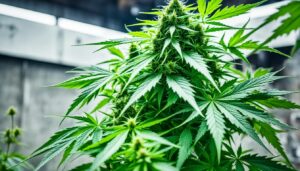
Located in the state of São Paulo, Campinas is one of Brazil’s most dynamic and influential cities, known for its technological industries, universities such as Unicamp and PUC-Campinas, and vibrant cultural life. Yet behind this innovative image lies a complex and evolving conversation about cannabis — its legal status, social perception, public health challenges, and the push for reform. While the plant remains largely illegal for recreational use, national legal shifts, local advocacy, and medicinal developments have shaped how people in Campinas encounter and discuss weed today.
Cannabis policy in Brazil applies uniformly across all cities, including Campinas. However, local enforcement, community attitudes, and activism reflect both national trends and Campinas’s own social dynamics.
🇧🇷 Legal Status of Cannabis in Campinas and Brazil
Cannabis in Brazil — and therefore in Campinas — exists in a nuanced legal landscape: decriminalized in certain respects but still illegal overall.
Brazil’s national drug law (Law No. 11.343/2006) still classifies cannabis as an illegal substance, making trafficking, sale, and large-scale cultivation criminal offenses subject to significant prison terms and fines. (Wikipedia)
Yet, major changes have unfolded:
- In June 2024, Brazil’s Supreme Federal Court (STF) ruled that possession of cannabis for personal use — up to 40 grams — is not a criminal offense, although the substance remains illegal and may be seized, and users may face administrative responses such as warnings or educational programs. (Wikipedia)
- The same judgment clarified that growing up to six female cannabis plants for personal use could be distinguished from trafficking (a crime), though cultivation remains generally prohibited without authorization. (Wikipedia)
Even with this decriminalizing interpretation, cannabis in Campinas is not legalized in the sense of regulated recreational markets. Sale, distribution, and large-scale cultivation remain punishable as criminal acts.
The broader legal context in Brazil is well summarized by NORML International, which explains that cannabis possession is decriminalized up to defined limits while sale and distribution remain illegal. (Wikipedia)
💊 Medicinal Cannabis: Access and Regulation
Medical cannabis has emerged as one of the most dynamic areas of cannabis policy in Brazil, including in Campinas:
- ANVISA (Agência Nacional de Vigilância Sanitária) has regulated cannabis-based medicinal products since 2019 (RDC 327/2019), allowing manufacture, import, prescription, and sale of certain CBD- and THC-containing medicines with a medical prescription. (IBA)
- Recently, ANVISA expanded rules to allow broader formulations (oral, sublingual, dermal) and is actively moving toward authorizing cultivation for medical production under strict controls — including for research, patient associations, and companies. (sampi.net.br)
- Courts in Campinas and São Paulo have also ordered public authorities to supply cannabidiol (CBD) to patients with conditions such as fibromyalgia, anxiety, and chronic pain when prescribed and ANVISA-authorized — reflecting both legal rights and gaps in the public health system. (Reddit)
Local health professionals, including researchers at Unicamp, have advocated more flexible medicinal cannabis regulation, including proposals to broaden prescriber categories and allow pharmacy compounding of cannabis products. (sampi.net.br)
👮 Law Enforcement and Cannabis in Campinas
In Campinas, police and municipal authorities continue to enforce drug laws with an emphasis on combatting trafficking and illegal cultivation:
- The Guarda Municipal and other forces have conducted large seizures of cannabis — for example, an operation in May 2025 confiscated 112 kg of marijuana from a residence in the Jardim Lisa neighborhood, highlighting ongoing efforts to disrupt trafficking. (diario.dopovo.com.br)
- Local military police have also arrested individuals for indoor cultivation, indicating that unauthorized planting of cannabis still triggers criminal charges and judicial processing. (portaldenoticias.policiamilitar.sp.gov.br)
Even though possession for personal use is administratively tolerated within certain limits, enforcement action is still a reality for anything that appears tied to trafficking — including amounts above personal thresholds or evidence of distribution.
🧠 Social and Cultural Dimensions
Advocacy and Grassroots Movements
Campinas has seen active grassroots movements advocating for cannabis reform. One example is the Marcha da Maconha (Marijuana March) — a nationwide event that takes place in many Brazilian cities, including Campinas — where citizens, activists, and allies gather to push for regulatory modernization, personal freedom, and a shift away from punitive drug policies. (Wikipedia)
While the march in Campinas has sometimes drawn modest crowds, it reflects larger discussions about rights, decriminalization, and public health approaches rather than purely recreational celebration. (portalporque.com.br)
Academic and Public Debate
Campinas’s academic community, particularly around Unicamp, has contributed to public debate:
- Researchers and pharmacists have outlined proposals to refine medicinal cannabis regulation and improve access, prescription, and pharmaceutical practice in the city and beyond. (sampi.net.br)
- Public seminars and city council discussions have highlighted the need for evidence-based policy and reduced stigma around therapeutic use.
Culturally, cannabis occupies a complex space: for some resident communities it remains taboo and associated with crime; for others — especially younger university populations and health advocates — it represents a legitimate subject for reform and medical legitimacy.
💉 Health, Safety, and Public Perception
Public health discussions in Campinas integrate several concerns:
- Educating residents about risks and benefits of cannabis, including mental health impacts, respiratory effects, and appropriate medical use.
- Balancing law enforcement with harm-reduction strategies, which focus on preventing misuse while supporting those affected by addiction.
- Managing public spaces with a view toward safety: although personal possession may not be criminal for small amounts, public consumption can still draw police attention or administrative measures.
Brazilian health authorities and local advocacy groups emphasize responsible and well-informed approaches, particularly where medical cannabis treatments are involved.
📈 Economic Considerations
Cannabis has not yet become a fully regulated commercial industry in Campinas due to national restrictions on recreational markets. However, emerging economic elements include/weed in Campinas:
- Growth in medical cannabis products, importation, and specialized pharmacies.
- Potential future roles for local production under ANVISA supervision, which may include partnerships with research and pharmaceutical entities.
- Patient associations and social cooperatives poised to navigate new regulatory frameworks should cultivation for medicinal production become more accessible. (brasildefato.com.br)
These developments reflect broader shifts in Brazilian cannabis policy that could influence Campinas’s economy in coming years.
❓ Frequently Asked Questions (FAQs)
Is recreational cannabis legal in Campinas?
No — recreational use, sale, and distribution are still illegal under Brazilian federal law. Recent Supreme Court decisions have decriminalized possession of small amounts for personal use, but selling and distributing cannabis remains a crime.
Personal possession may lead to administrative responses like warnings or educational programs, but it does not result in incarceration when within defined limits. (Wikipedia)
Can I grow cannabis plants at home in Campinas?
Cultivation of cannabis plants for recreational or personal use is still illegal and can result in seizure, prosecution, and other legal consequences. Even if personal possession is treated outside criminal penalties within defined limits, growing plants without explicit legal authorization attracts enforcement action/weed in Campinas.
Some judicial orders may permit individuals to cultivate cannabis for medicinal purposes under strict conditions, but that process is exceptional, case-specific, and subject to judicial oversight.
Is medical cannabis available in Campinas?
Yes. Cannabis-derived medicines are legally accessible with a physician’s prescription and ANVISA-authorized products. Recent regulatory changes and court decisions have expanded the potential for broader access, including local pharmacy compounded products and future cultivation under controlled conditions. (sampi.net.br)
What are the penalties for trafficking cannabis in Campinas?
Trafficking, selling, and distributing cannabis remain serious criminal offenses in Brazil, with penalties including prison time and substantial fines. Law enforcement in Campinas continues to target illicit distribution operations.
Has there been activism or public demonstrations about cannabis in Campinas?
Yes. Events like the Marcha da Maconha bring together advocates and citizens to call for drug policy reform, decriminalization, and expanded medical access. (portalporque.com.br)
🧠 Conclusion
Cannabis in Campinas reflects the contradictions and transitions of Brazil’s broader drug policy environment. While the plant remains illegal for recreational sale and large-scale cultivation, recent legal interpretations have eased penalties for personal possession, and medical cannabis access continues to expand through regulatory and judicial pathways/weed in Campinas. (Wikipedia)
Social movements, academic discourse, and patient advocacy contribute to an evolving landscape where cannabis is increasingly discussed as a public health and human rights issue rather than solely a criminal matter. Law enforcement still prioritizes trafficking and illegal cultivation, while medicinal use finds growing legitimacy.
Understanding weed in Campinas requires recognizing this dynamic interplay between law, society, medicine, and culture — one that is likely to evolve further in the years ahead as Brazil continues its national debate on how best to regulate and approach cannabis.
🧾 References
- Cannabis in Brazil: legal context and decriminalization. (Wikipedia)
- STF decision on personal possession and legal limits. (Wikipedia)
- Local enforcement actions in Campinas. (diario.dopovo.com.br)
- Police cultivation arrest in Campinas. (portaldenoticias.policiamilitar.sp.gov.br)
- ANVISA regulation updates and medicinal cannabis expansion. (sampi.net.br)
- Medicinal practice debates and Unicamp proposals. (sampi.net.br)
- Marcha da Maconha in Campinas. (portalporque.com.br)
Mr. Josh’s product exceeded my expectations in both potency and purity, I really appreciated the discretion and professionalism in the delivery process , you can reach to him on Telegram https://t.me/joshlegitplug and also there email joshchris385@gmail.com
Highly recommend for medical users looking for consistent effects.
The indica blend helped me finally sleep through the night thank you.
I appreciate how Mr. Josh respects privacy and always stays professional.
Great selection of all products. Awesome employees. I was blown away with how many strains they had available! 13/10 would recommend to anyone! For sure will be back.
Got one hell of a staff, and meets and exceeds any and all CBD needs and expectations. 10/10 coming back!!!
Excellent service..Amazing products..Highly recommend..Definitely earned a customer for life..
I love it .My husband has stage four cancer and he isn’t eating or waking up . Josh helped me so much . He took his time . Listen to my issue for my husband . Didn’t try to make me spend the whole store worth of products . Although I did spend and tipped because he gave me first class service .I didn’t have a clue what to get . I will be a returning customer, Also i later found another great seller too ,Mr josh is not always online ,(PLUTO 420 ) His ZANGI details is link → https://services.zangi.com/dl/conversation/6642633134

You really out here setting the bar higher. Good weight, no shortcuts, and always discreet with how you move. That kind of professionalism is rare, especially with this type of business. Big respect for keeping everything tight and reliable.
Bro, every time I grab from you it feel like top shelf only. No shake, no dry stuff—just dense, well-grown buds that actually hit like they supposed to. You can tell you care about what you’re putting out, and that respect shows heavy.