
Weed in Banjarmasin — Laws, Culture, Enforcement, FAQs, References & Conclusion
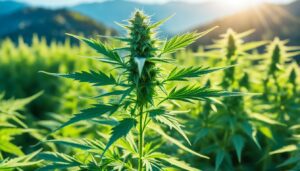
Banjarmasin — the bustling capital of South Kalimantan province (Kalimantan Selatan), Indonesia — sits amid river networks and historical trade routes. While the city is known for its floating markets and distinct culture, when it comes to weed (cannabis or ganja), Banjarmasin follows Indonesia’s strict national narcotics laws. Under these laws, cannabis is classified among the most tightly controlled substances with heavy penalties for its use, possession, cultivation, trafficking, import, or export. (420.place)
This article explains how cannabis is treated in Banjarmasin — legally, socially, and in practice — together with enforcement patterns, public health context, risks, FAQs, and a concluding summary. It includes real examples of drug enforcement involving cannabis within the broader narcotics picture in the city and region.
Cannabis Legality in Banjarmasin and Indonesia
In Banjarmasin, as throughout Indonesia, cannabis is completely illegal for any purpose. The primary legal framework — Law No. 35/2009 on Narcotics — classifies cannabis and all its derivatives (ganja, resin, seeds, processed oils, CBD etc.) as Group I narcotics. This means they are deemed dangerous with no recognized medical use and are subject to the harshest legal penalties. (420.place)
Under the law:
-
Possession or use of cannabis, even a small amount, can result in multiple years in prison and steep fines.
-
Cultivation — growing cannabis plants or processing them — is illegal and attracts severe punishment.
-
Distribution or trafficking carries especially heavy penalties, ranging from decade(s) of imprisonment to life sentences and, in extreme cases involving large quantities, the death penalty.
-
Importing or exporting cannabis products is a criminal offense, with no exemptions for foreign‑obtained or “medical” cannabis. (420.place)
Indonesia’s law makes no legal distinction between recreational and medical cannabis, and the courts have upheld this interpretation without recognizing medical use. (420.place)
This national legal framework applies equally in Banjarmasin, meaning anyone — Indonesian or foreigner — can be prosecuted for cannabis‑related offenses if caught.
Enforcement Actions Involving Cannabis in Banjarmasin
While national and regional authorities focus heavily on methamphetamine (sabu‑sabu) and designer drugs, cannabis continues to appear in drug enforcement operations in Banjarmasin and across South Kalimantan.
Police and Prosecutor Reports
In mid‑2023, the South Kalimantan Police Narcotics Directorate reported confiscating several kilograms of marijuana alongside methamphetamine and other illegal drugs during multi‑month operations targeting dozens of dealers. The seizure in these raids totaled around 1,808 g of marijuana (about 1.8 kg) in addition to other substances. (VOI)
Another local news report from Banjarmasin recounted a drug dealer being caught with cannabis after community members tipped off police. Officers seized about one ounce (≈28 g) of dried ganja from the suspect’s clothing in a city neighborhood. (ANTARA News Kalimantan Selatan)
These examples illustrate that cannabis — though not always the largest part of the illicit drug market — remains part of the evidence in narcotics investigations in Banjarmasin, leading to arrests, evidence processing, and legal charges under Indonesia’s narcotics law.
Social Attitudes and Public Perceptions in Banjarmasin
In Banjarmasin, public understanding of cannabis is heavily shaped by Indonesia’s anti‑drug messaging and social norms.
-
Cannabis is generally seen as harmful or criminal due to its legal status and association with other illegal drugs.
-
Families, schools, religious groups, and community leaders emphasize the dangers of drug abuse, including addiction and social harm.
-
Public health campaigns often lump cannabis together with other “hard drugs,” reinforcing a strong stigma against its use.
Local perceptions can be influenced by global media and discussions, but because cannabis carries no legal or medical recognition in Indonesia, its social narrative in Banjarmasin is dominated by prohibition rhetoric rather than harm‑reduction or legalization debates.
Public Health Context and Cannabis Risks
Banjarmasin participates in national public health frameworks regarding narcotics, which currently do not differentiate cannabis from other illegal substances. The emphasis in public health messaging is on prevention, avoidance, and enforcement rather than regulated medical access.
Authorities, in partnership with the National Narcotics Agency (BNN) and local clinics, prioritize anti‑drug advocacy among youths and vulnerable populations, focusing on the harms of dependency, cognitive impairment, and community disruption tied to drug use.
Although global research sometimes discusses potential therapeutic uses of cannabis, Indonesia offers no legal medical marijuana program, and health professionals generally frame cannabis within warning and deterrence campaigns. (420.place)
Practical Risks for Residents and Visitors
Residents of Banjarmasin
Local residents should be aware that:
-
Possessing even a small quantity of cannabis can trigger arrest and prosecution.
-
Participation in distribution or trafficking — including facilitating someone else’s access — carries heavier penalties.
-
Police and BNN conduct operations based on tips, undercover work, and traffic stops; random interceptions can occur.
There is no legal protection or safe harbor for cannabis activities in Banjarmasin, and arrest records often result in lengthy court cases.
Foreigners and Tourists/weed in Banjarmasin
Visitors — whether tourists, students, or workers — face the same legal system as Indonesian citizens. Bringing cannabis into Indonesia — even from countries where it is legal — can result in immediate arrest, trial, and imprisonment. Customs checkpoints are strict, and foreign prescriptions do not protect against prosecution.
Given the country’s strict enforcement of narcotics law, avoiding cannabis entirely while in Banjarmasin or elsewhere in Indonesia is essential.
Community and School Prevention Programs
Schools and youth organizations in Banjarmasin typically conduct anti‑drug education forums, sometimes involving police or BNN representatives. These workshops promote:
-
Understanding legal consequences of drug use.
-
Recognizing addiction signs and resources for help.
-
Making law‑abiding choices in daily life.
Local community groups sometimes collaborate with religious institutions to reinforce deterrent messaging. Because cannabis is lumped legally with other illicit drugs, these prevention programs treat it as part of a wider narcotics issue rather than an isolated topic.
Cannabis in the Broader Indonesian Legal Debate
Indonesia’s cannabis policy remains firmly prohibitionist, but there have been ongoing academic and legal debates about whether medical cannabis should be recognized. Various studies examine regulatory frameworks and perspectives, including comparisons with other ASEAN countries/weed in Banjarmasin. (Journals of Universitas Negeri Semarang)
However, officials from the National Narcotics Agency (BNN) and other authorities have clarified that opening medical cannabis research is not equivalent to legalizing its use, and that any potential research must occur within strict oversight without implying broader legalization. (BNN)
Constitutional Court decisions have also reaffirmed cannabis’s illegal status in the current legal order, rejecting attempts to create medical or therapeutic exceptions. (PPSDP Journal)
This means that, despite global trends toward cannabis decriminalization or medical legalization in other countries, Indonesia — including cities like Banjarmasin — maintains a zero‑tolerance model.
FAQs (Frequently Asked Questions)
1. Is cannabis legal in Banjarmasin?
No. In Banjarmasin, cannabis is illegal for every purpose — recreational, medical, or industrial — under Indonesia’s national narcotics law, which criminalizes possession, cultivation, trafficking, and all related activities. (420.place)
2. What happens if someone is caught with a small amount of weed?
Possession of even a small amount of cannabis can lead to criminal charges, including imprisonment, fines, mandatory rehabilitation, and other penalties based on the quantity and context of the offense. (420.place)
3. Are cannabis derivatives like CBD legal?
No. Indonesia’s legal framework treats all parts and derivatives of cannabis — including oils and CBD products — as illegal under Group I narcotics classification. (420.place)
4. Do foreigners face different treatment if caught with cannabis?
No. Foreign nationals in Banjarmasin are subject to the same laws and penalties as Indonesian citizens; foreign legal status does not provide any exemptions or protections. (420.place)
5. Can cannabis be grown at home for personal use?
No. Cultivation of cannabis plants of any scale — even for personal or “small” use — is treated as a serious narcotics offense and carries significant penalties. (420.place)
6. Are there any medical cannabis programs in Indonesia?
No. Indonesia currently has no legal medical cannabis program, and the courts and regulators have maintained cannabis’s illegal status across all uses. (420.place)
7. Why does cannabis still appear in drug seizures in Banjarmasin?
Cannabis can appear in enforcement actions because some distributors and users attempt to trade or possess it despite the illegality; police include such seizures in broader narcotics operations targeting methamphetamine and other substances. (VOI)
8. Are there community programs addressing cannabis use?
Yes. Schools, religious groups, and local police often conduct prevention and awareness campaigns treating cannabis as part of wider anti‑drug education efforts focused on legality and harms of narcotics use.
Conclusion on weed in Banjarmasin
In Banjarmasin, cannabis — whether in leaf, resin, oil, or any derivative form — is illegal and subject to strict criminal prosecution under Indonesian narcotics law. The national Law No. 35/2009 classifies cannabis as a Group I narcotic with no recognized medical use, and penalties for possession, distribution, cultivation, or trafficking can be severe/weed in Banjarmasin. (420.place)
Law enforcement agencies, including the South Kalimantan Regional Police and the National Narcotics Agency (BNN), actively investigate drug crimes, seizing cannabis alongside other illicit substances in multi‑drug operations. Social attitudes in Banjarmasin generally treat cannabis as harmful and illegal, and public health programs focus on prevention and deterrence.
Residents and visitors alike should avoid any involvement with cannabis to stay within the law.
For a detailed look at Indonesia’s cannabis and narcotics regulations, see this authoritative overview of the legal framework: https://420.place/article/laws-indonesia (420.place)
References
-
National narcotics law and classification of cannabis as a prohibited substance in Indonesia. (420.place)
-
South Kalimantan Police enforcement actions seizing marijuana and other drugs. (VOI)
-
Banjarmasin arrest and seizure of cannabis by local police. (ANTARA News Kalimantan Selatan)
-
Academic and legal discussions on cannabis legalization debates in Indonesia. (journal.uib.ac.id)
Mr. Josh’s product exceeded my expectations in both potency and purity, I really appreciated the discretion and professionalism in the delivery process , you can reach to him on Telegram https://t.me/joshlegitplug and also there email joshchris385@gmail.com
Highly recommend for medical users looking for consistent effects.
The indica blend helped me finally sleep through the night thank you.
I appreciate how Mr. Josh respects privacy and always stays professional.
Great selection of all products. Awesome employees. I was blown away with how many strains they had available! 13/10 would recommend to anyone! For sure will be back.
Got one hell of a staff, and meets and exceeds any and all CBD needs and expectations. 10/10 coming back!!!
Excellent service..Amazing products..Highly recommend..Definitely earned a customer for life..
I love it .My husband has stage four cancer and he isn’t eating or waking up . Josh helped me so much . He took his time . Listen to my issue for my husband . Didn’t try to make me spend the whole store worth of products . Although I did spend and tipped because he gave me first class service .I didn’t have a clue what to get . I will be a returning customer, Also i later found another great seller too ,Mr josh is not always online ,(PLUTO 420 ) His ZANGI details is link → https://services.zangi.com/dl/conversation/6642633134
