
Weed in Balikpapan: A Deep Dive Into Cannabis Reality, Law, Culture, and Community
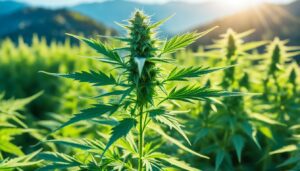
Balikpapan is a coastal city in East Kalimantan, Indonesia, known for its oil industry, bustling port, and diverse population. But when it comes to weed—commonly referred to as ganja locally—the story is far from one of legalization or normalized adult use. Instead, cannabis in Balikpapan reflects the strict Indonesian legal system, vigorous law enforcement, and complex social perceptions toward narcotics. This article explores the full picture—from legal frameworks to street realities, community attitudes, public health perspectives, risks, and the future of cannabis in Balikpapan.
The Legal Status of Cannabis in Indonesia and Balikpapan
Cannabis in Indonesia is strictly illegal under national law. It is classified as a Group I narcotic under Law Number 35 of 2009 on Narcotics, which places cannabis alongside substances deemed to have high potential for abuse and no recognized medical use. The law prohibits cultivation, possession, distribution, and trafficking of all parts of the cannabis plant, including processed forms like marijuana, hashish, or edibles. (LegalClarity)
Key points of the law:
-
Possession of cannabis—even small amounts—can lead to years in prison and heavy fines, as the law makes no distinction for personal use. (LegalClarity)
-
Distribution and trafficking carry severe penalties, including 5 to 20 years in prison depending on quantity; for large amounts this can escalate to life imprisonment or even the death penalty. (LegalClarity)
-
Cultivation, import, export, and manufacturing of any cannabis product—including CBD or THC oils—are treated as serious criminal offenses. (LegalClarity)
Indonesia’s strict approach means there are no legal avenues for recreational or medical cannabis in Balikpapan or anywhere else in the country.
Historical Context: Cannabis in Indonesian Policy
While cannabis use can be traced historically across parts of Southeast Asia, in Indonesia it has long been subject to prohibition. Under Dutch colonial governance early in the 20th century, psychoactive substances were controlled, and after independence, this prohibition was reinforced. By the 1970s and 1980s, national anti-drug campaigns intensified, setting the stage for Indonesia’s zero-tolerance policies that continue today.
Balikpapan, like many Indonesian cities, inherited this framework. Over decades, laws and enforcement mechanisms have remained harsh, with significant attention on narcotics control rather than harm reduction or medical reform.
Law Enforcement and Cannabis Cases in Balikpapan
In recent years, law enforcement agencies in Balikpapan have been active in combating narcotics, including cannabis, though cannabis is a smaller share of overall drug seizures compared with synthetic drugs like methamphetamine (sabu). In 2025, for example, the police in East Kalimantan reported confiscating 2.8 kilograms of ganja as part of broader narcotics operations. (Antara News)
Local police and the National Narcotics Agency (BNN) continue to investigate cases involving cannabis in various forms. For instance, a major arrest in June 2025 involved seizures of narcotics including about 24.61 grams of ganja alongside other drugs in an apartment raid in Balikpapan/weed in Balikpapan. (PusaranMedia.com)
Historical cases show cultivation of cannabis at home being prosecuted as far back as 2019, when Indonesian authorities arrested a Balikpapan resident for growing multiple cannabis plants at his residence. (Antara News)
In addition, narcotics enforcement in Balikpapan has intercepted unconventional forms of cannabis distribution, such as ganja baked into brownies or chocolates, revealing evolving trafficking methods authorities must address. (ANTARA News Kalimantan Timur)
These cases reflect not only enforcement action against cannabis itself, but also the broader context of drug operations—where cannabis often appears alongside other illegal substances.
Cannabis Availability and Underground Reality
Although cannabis is illegal, it still circulates in Balikpapan’s underground economy. Unlike countries or regions where regulated markets exist, in Balikpapan any supply of weed is part of the black market, often tied to organized trafficking networks. Reports of seizures show cannabis being transported from other regions into Balikpapan and Kalimantan generally, reflecting broader smuggling routes. (https://news.okezone.com/)
Underground availability is typically:
-
Unregulated: There is no legal outlet or quality control.
-
Risky: Anyone involved in distribution, sale, or possession risks arrest and severe prosecution.
-
Discreet: Use and transaction are hidden, often confined to private circles rather than public spaces.
This underground nature increases risks for users and sellers alike, especially given the severe legal penalties involved.
Social Perceptions of Cannabis in Balikpapan
Public perception of cannabis in Balikpapan tends to be dominated by the legal risks and stigma associated with narcotics. Mainstream media, public safety campaigns, and community leaders often emphasize the dangers of drug abuse broadly, frequently grouping cannabis with harder drugs in messaging.
Because cannabis is illegal with harsh penalties, many residents view it as a social problem tied to crime rather than as a medicinal or therapeutic substance. Unlike some Western countries where cannabis normalization has progressed, in Balikpapan social acceptance remains low and largely negative.
This public perception discourages open discussion about cannabis, even in contexts like medical research or health, and reinforces the idea that cannabis is first and foremost a prohibited drug.
Health Perspectives and Public Awareness
From a public health standpoint, cannabis in Balikpapan is framed around risk avoidance and harm reduction for illicit use, not therapeutic benefit. Indonesian public health authorities and educational campaigns usually focus on:
-
Risks associated with illegal drug use.
-
Physical and mental health harms of addiction.
-
The legal consequences of possession and distribution.
There is little official discourse in Balikpapan about potential medicinal applications of cannabis, partly because the national law offers no legal pathway for such use, and officially recognized medical research on cannabis remains limited in Indonesia.
For broader information on how other jurisdictions regulate and understand cannabis scientifically and legally, organizations like Leafly provide global context about cannabis markets and research, though these do not reflect Indonesian legal realities.
Balikpapan’s Cultural Context and Youth Interaction
Balikpapan is a modern urban center with a significant youth population, influenced by national media, digital culture, and global trends. Despite this, cannabis discussion among youth remains largely cautious—driven by the knowledge of legal penalties and local norms that prioritize safety and compliance over experimentation.
Some young people may use encrypted social platforms to discuss or share experiences, but public acceptance and open conversation are rare due to fear of legal consequences and societal judgement. This creates an environment where curiosity may exist, but actionable engagement remains limited.
Economic Considerations and Illicit Markets
Cannabis generates no direct economic benefit to Balikpapan’s formal economy because it is entirely illegal. There is no regulated cultivation, distribution, or sale industry, and no tax revenue tied to cannabis.
Outgoing seizures, however—such as the large quantities of narcotics including cannabis seized regionally—indicate that traffickers may view Balikpapan as part of shipping networks due to its port and transport infrastructure. (Kalimantan Post)
Economically, cannabis activity in Balikpapan occurs solely in the black market, where prices and availability fluctuate and participants take on significant legal risk without protections or consumer safeguards.
Comparative Legal and Cultural Landscape: Balikpapan vs. Other Places
In comparison to places where cannabis is legal—like parts of the United States, Canada, or certain European countries—Balikpapan represents one of the strictest legal environments for cannabis:
-
No legal recreational use: Possession is criminalized without exception. (LegalClarity)
-
No medical cannabis program: There is no path for legal therapeutic use in Indonesia. (LegalClarity)
-
Severe penalties: Trafficking and distribution can lead to decades in prison or more. (420 Place)
This contrasts sharply with regions where regulated markets exist and cannabis is part of formal public health strategies or adult retail frameworks.
Legal Risks and Penalties in Balikpapan
The legal risks associated with cannabis in Balikpapan are severe:
-
Possession: Even small amounts can lead to significant prison sentences and large fines under Indonesian law. (LegalClarity)
-
Trafficking: Large possession quantities automatically trigger trafficking charges with potential sentences from 5 to 20+ years, or life imprisonment. (LegalClarity)
-
Cultivation: Growing cannabis—whether for personal or commercial purposes—is illegal and prosecuted harshly. (LegalClarity)
There is no decriminalization or personal-use exception in Indonesian law; all cannabis involvement is treated as a criminal offense/weed in Balikpapan.
Risks Beyond the Law: Social and Personal Consequences
Aside from legal penalties, individuals involved with cannabis in Balikpapan face:
-
Social stigma, making it difficult to maintain community standing.
-
Job loss or educational consequences if charged with drug offenses.
-
Family and broader social impact, since drug charges affect not only the individual but their close network.
These additional consequences compound the legal risks and discourage involvement.
Law Enforcement Strategies in Balikpapan and East Kalimantan
Law enforcement agencies including Polda Kalimantan Timur and BNN Kota Balikpapan actively pursue narcotics cases involving cannabis alongside other drugs. Their strategies include:
-
Surveillance and investigation of reported drug activity.
-
Drug seizures and arrests in residential properties, public spaces, and transit hubs. (PusaranMedia.com)
-
Public awareness campaigns emphasizing zero tolerance/weed in Balikpapan.
These strategies align with national policy and aim to prevent distribution and use through deterrence and prosecution.
Community Treatment and Rehabilitation
Unlike some nations where addiction treatment and harm reduction are integrated into drug policy, Indonesia’s approach focuses mainly on law enforcement and compulsory rehabilitation for drug offenders. Individuals caught with narcotics—cannabis included—may be required to attend mandated rehabilitation or face formal legal proceedings depending on the nature of the offense and legal strategy employed by authorities.
Future Outlook: Policy Debates and Indonesia’s Cannabis Discussion
Indonesia’s cannabis laws remain rigid, but there are signs of academic and policy discussions about medical research into cannabis, although such debate remains limited and cautious. Some government officials have expressed interest in studying potential therapeutic uses, but no legal medical program has been established. (Reddit)
Given the current political and social climate, significant reform in Balikpapan or across Indonesia in the near term remains unlikely. The prevailing approach still emphasizes strict prohibition, deterrence, and law enforcement.
FAQs About Weed in Balikpapan
Is cannabis legal in Balikpapan?
No. Cannabis is illegal under Indonesian law. Possession, sale, cultivation, and distribution are criminal offenses with severe penalties/weed in Balikpapan. (LegalClarity)
Can foreigners possess cannabis in Balikpapan?
No. The strict laws apply to everyone, local or foreign, and foreign nationals can face the same legal consequences. (LegalClarity)
Is there any legal medical cannabis in Balikpapan?
No. Indonesia has no legal medical cannabis program; all cannabis products remain prohibited. (LegalClarity)
What happens if someone is caught with small amounts?
Even small amounts of cannabis can lead to criminal charges, prison time, and fines due to the lack of a personal-use exception. (LegalClarity)
Are there underground cannabis markets?
Yes, cannabis appears in underground markets through smuggling, but engaging with these markets carries high risk of arrest and prosecution. (https://news.okezone.com/)
Can cannabis seeds or plants be legally grown?
No. Cultivation of cannabis in any form is illegal and subject to prosecution. (LegalClarity)
Does Balikpapan have public discourse on cannabis reform?
There is limited public debate; most discussion occurs within national contexts or academic circles rather than local political movements. (Reddit)
Are there rehabilitation options for cannabis offenders?
Yes, rehabilitation may be part of legal outcomes for drug offenders, but this depends on judicial and law enforcement decisions.
References
-
Indonesia’s strict cannabis prohibition and harsh penalties under the Narcotics Law. (LegalClarity)
-
Cannabis seizures and law enforcement statistics in Balikpapan and East Kalimantan. (Antara News)
-
Drug smuggling and diversified narcotics cases involving cannabis forms in Balikpapan. (ANTARA News Kalimantan Timur)
-
Broader comparative legal context showing illegal status of cannabis throughout Indonesia. (Wikipedia)
Authoritative marijuana context resource (global): Leafly’s overview of cannabis law and science — used for general international perspective/weed in Balikpapan. (https://www.leafly.com/news/)
Conclusion: Weed in Balikpapan Is Illegal, Risky, and Highly Regulated
Cannabis in Balikpapan exists primarily in the context of strict Indonesian prohibition. There is no legal route for recreational or medical use, no regulated market, and no cultural mainstream acceptance. Instead, cannabis activity is handled as a criminal matter—with surveillance, prosecution, and heavy penalties shaping how the plant is understood and engaged with. Underground markets may circulate cannabis, but the legal and personal risks are substantial.
Public perception in Balikpapan reflects this reality: cannabis is viewed largely as a narcotic problem rather than a health or lifestyle choice. While there are isolated discussions about research and medical potential at national levels, significant reform in Balikpapan’s cannabis policy seems distant.
For residents and visitors alike, the safest and most legally compliant approach is to avoid any involvement with cannabis in Balikpapan and throughout Indonesia. The city’s experience underscores not only legal strictness but also the broader cultural and social framework that prioritizes zero tolerance over tolerance.
Mr. Josh’s product exceeded my expectations in both potency and purity, I really appreciated the discretion and professionalism in the delivery process , you can reach to him on Telegram https://t.me/joshlegitplug and also there email joshchris385@gmail.com
Highly recommend for medical users looking for consistent effects.
The indica blend helped me finally sleep through the night thank you.
I appreciate how Mr. Josh respects privacy and always stays professional.
Great selection of all products. Awesome employees. I was blown away with how many strains they had available! 13/10 would recommend to anyone! For sure will be back.
Got one hell of a staff, and meets and exceeds any and all CBD needs and expectations. 10/10 coming back!!!
Excellent service..Amazing products..Highly recommend..Definitely earned a customer for life..
I love it .My husband has stage four cancer and he isn’t eating or waking up . Josh helped me so much . He took his time . Listen to my issue for my husband . Didn’t try to make me spend the whole store worth of products . Although I did spend and tipped because he gave me first class service .I didn’t have a clue what to get . I will be a returning customer, Also i later found another great seller too ,Mr josh is not always online ,(PLUTO 420 ) His ZANGI details is link → https://services.zangi.com/dl/conversation/6642633134
