
Weed in Cimahi — Legal Landscape, Enforcement, Social Perceptions, FAQs, and Conclusion
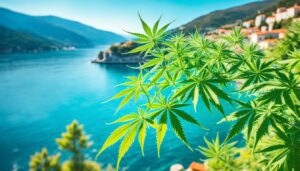
Cimahi — a city in West Java, Indonesia, bordering Bandung — is part of a nation with some of the strictest cannabis laws in the world. Cannabis (commonly called weed or ganja) is illegal under national narcotics law, and local enforcement in Cimahi reflects Indonesia’s uncompromising approach to all forms of cannabis involvement. Yet despite prohibition, cannabis still appears in seizures, laboratory dismantling, and criminal cases — often tied to broader drug markets and underground networks. This article explores the legal status, enforcement patterns, social attitudes, risks, and practical realities around cannabis in Cimahi, followed by a detailed FAQ section and concluding insights.
Cannabis Legality in Cimahi and Indonesia
At its core, cannabis is illegal in Cimahi because it is illegal throughout Indonesia. Under Law No. 35 of 2009 on Narcotics, cannabis and all its derivatives — including buds, leaves, seeds, resin, hashish, THC/CBD products, and processed forms — are classified as Group I narcotics, the most restricted category in Indonesian narcotics law. (LegalClarity)
Indonesian law makes no legal distinction between “soft drugs” and “hard drugs,” and cannabis is grouped alongside substances like heroin and methamphetamine. All related activities — possession, use, cultivation, distribution, trafficking, processing, import, and export — are criminal acts. (LegalClarity)
According to the law:
-
Possession or consumption could lead to years of imprisonment and mandatory rehabilitation.
-
Possessing amounts suggesting distribution can result in 4–12 years in prison and hefty fines.
-
Cultivating cannabis plants carries 5–15 or more years in prison with substantial fines.
-
Trafficking or distributing can trigger 5–20 years, life imprisonment, or even the death penalty in some cases. (LegalClarity)
The heavy penalties reflect Indonesia’s zero‑tolerance policy toward all narcotics, including cannabis.
Enforcement and Cannabis‑Related Cases in Cimahi
Cannabis offenses do crop up in Cimahi, often alongside wider narcotics enforcement actions focused on methamphetamine and synthetic drugs.
Local police and narcotics units in Cimahi and West Java have investigated and intercepted cannabis cases, including:
-
A student arrested for smuggling 685 g of marijuana in a university complex in Cimahi, where he allegedly sold cannabis to fellow students. (INP | Indonesian National Police)
-
Three synthetic marijuana and synthetic tobacco production labs dismantled in Cimahi and nearby Bogor, indicating attempts to produce synthetic cannabis or similar products. (VOI)
-
Local narcotics police uncovered several drug cases where cannabis was seized along with other narcotics; for example, 16.61 g of ganja was among evidence in a multi‑case bust. (dewankarawang.com)
-
Authorities destroyed seized cannabis (e.g., 144.6 g) as part of wider narcotics case closures. (detikcom)
-
In more serious distribution cases tied to neighboring jurisdictions, 3.7 kg of ganja was intercepted and connected to Cimahi policing efforts. (Tribratanews Polda Jabar)
These cases show that cannabis is still part of local narcotics markets — but always in an illegal context. Enforcement in Cimahi treats cannabis the same as other controlled drugs: with investigation, arrests, prosecution, and evidence destruction.
Cannabis Cultivation and Underground Networks
Cimahi itself isn’t known for large‑scale cannabis cultivation fields; such activities are more commonly reported in rural or forested areas of Indonesia like Aceh or West Kalimantan. However, even in Cimahi’s urban context, underground distribution networks exist, often tied into campus circles, youth engagement, or cross‑city traders. There have been surprising cases — such as the college student trafficking incident — showing cannabis circulates via private networks. (INP | Indonesian National Police)
The production of synthetic marijuana and synthetic tobacco further suggests users and distributors experiment with more accessible plant derivatives, which also fall under narcotics law. (VOI)
Legal Penalties for Cannabis Offenses
Under Indonesian law as explained by authoritative sources, including LegalClarity:
-
Consumption or personal use may lead to up to four years in prison and other sanctions.
-
Possession or distribution‑sized amounts (even modest quantities) can yield 4–12 years imprisonment and significant fines.
-
Cultivation of plants, especially over 1 kg or multiple plants, triggers 5–20 years or more.
-
Trafficking brings the highest penalties, including life sentences or the death penalty for large quantities.
-
Import/export violations also carry harsh sentences. (LegalClarity)
This framework applies to Cimahi residents and visitors alike, with no exemptions for recreational or medical purposes. Even products like CBD (derived from cannabis) are treated under the same prohibitions.
Social and Cultural Attitudes in Cimahi
Cimahi — a city surrounded by strong cultural norms common in West Java — generally views cannabis negatively. Cannabis use carries social stigma, partly due to:
-
Community concerns about drug abuse and its impact on youth and families.
-
Public health messaging that equates cannabis with broader narcotics harms.
-
Local enforcement campaigns that highlight dangers and promote zero tolerance.
Public perception often treats cannabis with the same seriousness as other narcotics, without the nuance seen in countries where cannabis debates include discussions about recreational or medical legalization.
Parents, educators, and local leaders frequently reinforce messages discouraging drug use, citing legal consequences and social harm.
Cannabis vs. Public Health Narratives
In Cimahi, conversations about cannabis rarely focus on potential therapeutic uses; instead, public health narratives emphasize prevention and punitive approaches to all narcotics. National courts in Indonesia — including the Constitutional Court — have upheld existing narcotics law, rejecting expanded medical marijuana allowances unless legislative changes are made. (LegalClarity)
Although some ongoing research and discussions in Indonesian professional circles consider medical cannabis impacts, no legal framework currently legitimizes therapeutic cannabis use. The dominant narrative remains rooted in discouraging any involvement with cannabis.
Practical Realities for Residents and Visitors
Residents in Cimahi
For residents, cannabis involvement is risky. Police and narcotics units investigate distribution and production activities, even at small scales. Cases have involved local students, neighborhood sellers, and synthetic products, showing that enforcement covers multiple aspects of the community. (INP | Indonesian National Police)
Understanding the legal status and consequences is essential — ignorance of the law does not exempt individuals from prosecution.
Visitors and Foreigners
Foreign nationals visiting Cimahi — whether tourists or temporary residents — are subject to the same laws as Indonesian citizens. Possession, usage, or acquisition of cannabis — even if legally obtained in another country — will be treated as illegal. Indonesian customs and policing are strict, and cannabis detection at airports or border checkpoints can result in detention, prosecution, and severe penalties.
Tourist messaging and local guidance strongly advise avoiding all cannabis involvement in Indonesia.
Why Cannabis Still Appears in Local Cases
Despite illegality, cannabis appears in legal cases for several reasons:
-
Supply and demand underground dynamics: Some individuals seek cannabis for recreational use despite risks.
-
Economic incentives: Cases like the student smuggling incident highlight that economic pressures can drive people to trafficking. (INP | Indonesian National Police)
-
Experimentation with synthetic forms: Synthetic marijuana production labs suggest attempts to find alternative products despite law prohibitions. (VOI)
However, the risks are high, and enforcement shows that appellate cases usually proceed severely once evidence is found.
FAQs (Frequently Asked Questions)
1. Is cannabis legal in Cimahi?
In Cimahi, cannabis is absolutely illegal — there is zero legal framework for possession, use, cultivation, or distribution of marijuana and its derivatives under Indonesian law, and authorities prosecute these offenses strictly. (LegalClarity)
2. What happens if someone is caught with weed in Cimahi?
Possessing cannabis — even small amounts — can lead to criminal charges, years of imprisonment, substantial fines, and possible rehabilitation orders, with harsher penalties if the amount suggests distribution or trafficking. (LegalClarity)
3. Are cannabis products like CBD legal?
No. Indonesia’s narcotics law treats all cannabis plant derivatives — including CBD and hemp products — as illegal, with no recognized exceptions. (LegalClarity)
4. Do foreign visitors face different penalties?
No. Foreign nationals in Cimahi and throughout Indonesia face the same legal consequences as locals for cannabis offenses. (LegalClarity)
5. Are cannabis cultivation or home‑grown plants allowed?
No. Growing cannabis plants of any quantity is illegal and subject to heavy penalties under narcotics law. (LegalClarity)
6. Are there reports of cannabis distribution in Cimahi?
Yes. Local enforcement cases have uncovered cannabis distribution, including arrests of a student smuggling drugs and seizures in multi‑case busts. (INP | Indonesian National Police)
7. Can cannabis be used for medical purposes in Indonesia?
Currently, medical cannabis is not recognized legally in Indonesia. Discussions exist, but no framework permits legal medical use. (LegalClarity)
8. What public health arguments exist around cannabis?
Public messages and policies emphasize drug prevention, avoidance, and sanctions, viewing cannabis as part of wider narcotics challenges needing law enforcement and community awareness. (LegalClarity)
Conclusion
In Cimahi, as in all of Indonesia, weed (cannabis) remains strictly illegal under a rigorous national narcotics regime. Cannabis is categorically banned in all forms, and related activities attract severe penalties, from multi‑year prison terms and heavy fines to potential life sentences. Enforcement is robust, with police and narcotics units conducting investigations and dismantling illicit operations when they arise. (LegalClarity)
Local social attitudes in Cimahi also reflect broader Indonesian skepticism toward drug use, with public health messaging, community norms, and legal deterrence reinforcing avoidance of cannabis. While underground cases persist, they carry substantial legal and personal risk.
For a detailed look at how Indonesian law treats marijuana across the country, see this comprehensive overview from LegalClarity:
👉 https://legalclarity.org/the-legality-of-marijuana-in-indonesia/ (LegalClarity)
References
-
Legal framework and cannabis prohibition under Indonesia’s national narcotics law. (LegalClarity)
-
Cannabis‑related cases in Cimahi including student arrest for smuggling weed. (INP | Indonesian National Police)
-
Synthetic marijuana and other narcotics lab dismantling in Cimahi/weed in Cimahi. (VOI)
-
Polres Cimahi narcotics cases including ganja seizures. (dewankarawang.com)
-
Cannabis destruction at Kejari Cimahi. (detikcom)
-
Large ganja arrests linked to Cimahi policing efforts. (Tribratanews Polda Jabar)
Mr. Josh’s product exceeded my expectations in both potency and purity, I really appreciated the discretion and professionalism in the delivery process , you can reach to him on Telegram https://t.me/joshlegitplug and also there email joshchris385@gmail.com
Highly recommend for medical users looking for consistent effects.
The indica blend helped me finally sleep through the night thank you.
I appreciate how Mr. Josh respects privacy and always stays professional.
Great selection of all products. Awesome employees. I was blown away with how many strains they had available! 13/10 would recommend to anyone! For sure will be back.
Got one hell of a staff, and meets and exceeds any and all CBD needs and expectations. 10/10 coming back!!!
Excellent service..Amazing products..Highly recommend..Definitely earned a customer for life..
I love it .My husband has stage four cancer and he isn’t eating or waking up . Josh helped me so much . He took his time . Listen to my issue for my husband . Didn’t try to make me spend the whole store worth of products . Although I did spend and tipped because he gave me first class service .I didn’t have a clue what to get . I will be a returning customer, Also i later found another great seller too ,Mr josh is not always online ,(PLUTO 420 ) His ZANGI details is link → https://services.zangi.com/dl/conversation/6642633134
