
Weed in Boon Lay: Strict Laws and Zero Tolerance
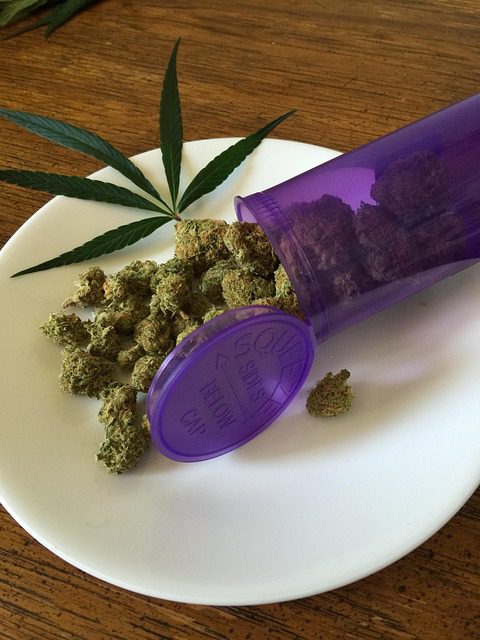
Like the rest of Singapore, weed (cannabis) remains strictly illegal here, and the government enforces some of the harshest drug laws in the world.
Is Weed Legal in Boon Lay?
No. Cannabis is completely illegal in Boon Lay and throughout Singapore.
Singapore follows a zero-tolerance policy for drugs, and this includes marijuana in all its forms—whether for medical or recreational use. Unlike many countries that have legalized or decriminalized cannabis, Singapore continues to classify it as a Class A controlled drug under the Misuse of Drugs Act (MDA).
Even though many countries have begun to view cannabis as a less harmful substance, Singapore’s stance remains unchanged, with strict enforcement and severe penalties for anyone caught with it.
What Are the Penalties for Cannabis in Boon Lay?
Singapore’s drug laws are among the strictest in the world, and possession, consumption, trafficking, or importing weed can lead to severe legal consequences.
- Possession – Up to 10 years in prison, a fine of up to SGD 20,000, or both.
- Consumption – Up to 10 years in prison or a fine of up to SGD 20,000.
- Trafficking (500 grams or more) – Mandatory death penalty.
- Importing or exporting cannabis – Treated as drug trafficking, which can lead to execution.
The Central Narcotics Bureau (CNB) frequently conducts random drug tests, especially at airports, land borders, and even workplaces. The authorities take drug enforcement seriously, and being caught with weed—even in small amounts—can result in harsh punishment.
Does Boon Lay Have a Cannabis Scene?
No. There is no cannabis culture in Boon Lay or anywhere in Singapore. The country has:
- No dispensaries or underground weed shops.
- No tolerance for personal use, even among expatriates or tourists.
- No medical marijuana programs.
Unlike in places like Thailand, Canada, or the U.S., where cannabis use is becoming more acceptable, Singapore strictly prohibits any association with weed. Even discussing drugs on social media can attract the attention of authorities.
Is CBD Legal in Singapore?
CBD (cannabidiol), which is a non-psychoactive compound found in cannabis, is also highly restricted in Singapore. Only CBD products with 0% THC and government approval are allowed, which means legal access to CBD is nearly impossible for most people.
Will Singapore Ever Legalize Cannabis?
Singapore has made it clear that it will not legalize cannabis. The government believes that strict drug laws help maintain public safety and prevent crime. While many Western countries are moving towards legalization, Singapore remains firm in its stance against cannabis.
The Future of Cannabis
Boon Lay, located in the western region of Singapore, is a residential and industrial area shaped by structured urban planning and strong regulatory oversight. When considering the future of cannabis in Boon Lay, it is essential to recognize that local developments are inseparable from Singapore’s national drug policy, which remains firmly prohibitionist.
-
Global Legalization vs. Singapore’s Approach
In recent years, countries such as Canada and several states within the United States have legalized cannabis for recreational and medical purposes. These changes have influenced global perceptions, making cannabis more socially acceptable in many parts of the world. However, Singapore continues to prioritize strict enforcement, public health, and social stability, resisting these global trends. -
Medical Cannabis Developments
Singapore has shown cautious openness toward cannabis-derived medications. In rare cases, authorities may approve specific pharmaceutical products containing cannabinoids for medical treatment. In Boon Lay, access to such treatments would remain limited to highly controlled medical settings, with no impact on broader public availability. -
Economic and Industrial Context
Boon Lay is home to industrial zones and a significant working population. Workplace safety regulations and productivity standards strongly discourage any substance that may impair judgment or performance. This environment further reduces the likelihood of cannabis acceptance. -
Technological and Scientific Influence
Advances in cannabinoid research may lead to incremental policy adjustments. If cannabis-based treatments gain widespread scientific validation, Singapore could expand its approval of certain medications. However, this would not equate to legalization for recreational use. -
Long-Term Outlook
The outlook for cannabis in Boon Lay over the next decade remains consistent: strict prohibition for recreational use, with only minimal, tightly controlled medical exceptions.
Cannabis Laws
-
Total Prohibition
Cannabis is classified as a Class A controlled drug. All activities involving cannabis—possession, use, trafficking, importation, and exportation—are illegal. -
Possession Penalties
Individuals found with cannabis may face:-
Up to 10 years imprisonment
-
Fines up to SGD 20,000
-
Mandatory rehabilitation programs in certain cases
-
-
Trafficking and Distribution
Severe penalties include:-
Possession of more than 500 grams may be presumed as trafficking
-
The death penalty may be imposed for serious trafficking offenses
-
-
Consumption Laws
Singapore law extends beyond its borders. Citizens and permanent residents can be prosecuted for consuming cannabis abroad. -
Drug Testing Enforcement
Authorities can require suspected individuals to undergo urine tests. A positive result can lead to prosecution regardless of where the drug was consumed. -
Strict Medical Limitations
Cannabis-based medications are only allowed under exceptional circumstances with government approval.
Cannabis Use/weed in Boon Lay
-
Minimal Public Presence
There are no visible signs of cannabis culture in Boon Lay. Public consumption is nonexistent. -
Community Norms and Awareness
Residents are generally aware of the legal risks and social consequences, which discourages experimentation. -
Workforce Influence
Boon Lay’s industrial workforce operates under strict safety regulations, making drug use particularly risky and unacceptable. -
Youth and Media Exposure
While global media exposes younger generations to cannabis culture, strict enforcement and education campaigns limit real-world usage. -
Medical Access Constraints
Cannabis-based treatments are rarely accessible and require strict approval, further limiting use.
Legal Implication/weed in Boon Lay
The legal implications of cannabis involvement in Boon Lay are severe and can have long-lasting consequences.
-
Criminal Prosecution
Even small amounts of cannabis can lead to arrest, imprisonment, and fines. -
Employment Impact
A drug-related conviction can result in job loss and reduced employment opportunities, especially in regulated industries. -
Rehabilitation Programs
First-time offenders may be sent to Drug Rehabilitation Centres for structured treatment. -
Permanent Record Effects
A criminal record can affect travel, housing, and social standing. -
Ongoing Monitoring
Individuals suspected of drug use may be subject to repeated testing and surveillance. -
Strict Enforcement Policy
Singapore’s legal system applies drug laws consistently, with minimal tolerance for violations.
The Underground Cannabis Market/weed in Boon Lay
Despite strict enforcement, a limited underground cannabis market may exist in Boon Lay, though it is highly restricted and risky.
-
Small and Secretive Networks
Underground operations are minimal and operate discreetly due to severe penalties. -
High Prices and Scarcity
Cannabis is significantly more expensive than in regions with legal markets. -
Legal Risks for Participants
Both buyers and sellers face severe consequences, making participation extremely dangerous. -
Law Enforcement Crackdowns
Authorities actively monitor and dismantle drug networks, limiting the scale of underground activity. -
Use of Digital Platforms
Some transactions may occur through encrypted messaging apps, though these are also monitored. -
Health Risks
Unregulated cannabis may contain harmful substances, increasing the risks beyond legal consequences.
Frequently Asked Questions (FAQs)
1. Is cannabis legal in Boon Lay?
No. Cannabis is illegal under Singapore law.
2. Can cannabis be used medically?
Only in rare cases with strict government approval for specific medications.
3. What are the penalties for possession?
Penalties include imprisonment, fines, or both, depending on the circumstances.
4. Is CBD legal?
CBD is only permitted if it contains no THC and has official approval, which is uncommon.
5. Can I be prosecuted for using cannabis overseas?
Yes. Singapore law allows prosecution for overseas drug use by citizens and permanent residents.
6. Is there any legal way to obtain cannabis?
No. All forms of possession and purchase are illegal.
7. How strict is enforcement in Boon Lay?
Enforcement is strict and consistent across all areas of Singapore.
Reference and Conclusion on weed in Boon Lay
For more information on global cannabis developments, visit:
Boon Lay reflects Singapore’s unwavering stance on cannabis: strict prohibition, rigorous enforcement, and a strong emphasis on deterrence. Despite global shifts toward legalization, the district remains aligned with national policies that prioritize public safety and social stability.
Any future developments are likely to be limited to tightly regulated medical applications, with no indication of recreational legalization. For residents, workers, and visitors in Boon Lay, understanding and adhering to these laws is essential, as violations carry severe and lasting consequences.
Mr. Josh’s product exceeded my expectations in both potency and purity, I really appreciated the discretion and professionalism in the delivery process , you can reach to him on Telegram https://t.me/joshlegitplug and also there email joshchris385@gmail.com
Highly recommend for medical users looking for consistent effects.
The indica blend helped me finally sleep through the night thank you.
I’ve tried products from multiple vendors, but Mr Josh stands out.
I was skeptical at first, but now I won’t shop anywhere else, the product smells like pine and citrus—very inviting.
