
🌿 Weed in Albuquerque: Laws, Culture, Health, and Daily Realities
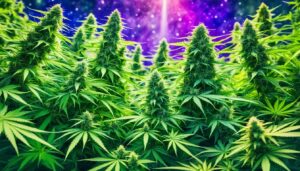
Introduction to Weed in Albuquerque
Albuquerque, New Mexico’s largest city with an estimated population of 560,000 people, has become an important hub in the conversation about cannabis — commonly called weed. In the past decade, Albuquerque has shifted from a place where cannabis was almost entirely illegal to one where recreational use is allowed for adults, medical access has expanded, and economic, social, and health conversations are vibrant and evolving.
Understanding weed in Albuquerque requires not just knowing what the law allows, but also how people use it, how attitudes vary across generations, how public health interacts with law enforcement, how the economy has been affected, and what futures may lie ahead. This article covers those angles and more, using definitions, figures, and clear context so you can grasp the full picture.
Geographic and Social Context of Albuquerque
Albuquerque lies at an elevation of roughly 5,000 feet, spans over 189 square miles, and includes a mix of urban neighborhoods, suburban developments, and culturally distinct communities. Neighborhood profiles in Albuquerque vary widely:
-
Downtown and Nob Hill — younger populations, nightlife, and mixed attitudes toward cannabis.
-
NE Heights — family-oriented with more conservative norms.
-
South Valley — historically agricultural, with a growing dialogue around cannabis products in local markets.
-
University area — high exposure among students and young adults.
This diversity influences how weed is discussed, consumed, and regulated in different parts of the city.
Overview of Cannabis Law in New Mexico
New Mexico legalized recreational cannabis for adults aged 21 and older in April 2021. Key points of the law include:
-
Adults 21+ may possess up to 2 ounces (≈57 grams) of cannabis flower in public.
-
Adults can possess up to 8 ounces at home.
-
It is legal to cultivate up to 6 mature plants per household (maximum 12 if two adults live together).
-
Cannabis sales are allowed through licensed dispensaries with state oversight.
These numbers provide structure but also require understanding of the enforcement context.
Legal Possession: Public vs Private Limits
New Mexico’s cannabis statute sets distinct possession rules:
-
Public possession limit: 2 ounces.
-
Private (residential) possession limit: 8 ounces.
-
Home cultivation: up to 6 mature plants, 6 immature plants, and their harvested products.
-
Shared possession: Compact limits apply even in private gatherings.
Exceeding these amounts can lead to civil penalties or criminal charges depending on quantity and intent.
Commercial Cannabis Sales in Albuquerque
Albuquerque participates in the regulated cannabis economy established by the New Mexico Cannabis Control Division:
-
Licensed dispensaries are authorized to sell adult-use cannabis.
-
Purchase limits at retail are capped by law (e.g., 2 ounces per transaction).
-
Product types at dispensaries include flower, concentrates, edibles, tinctures, and topicals — all tested for quality.
-
Licensing fees and tax revenue contribute to state and local budgets.
Retail cannabis presence is concentrated in commercial corridors and regulated by zoning laws.
Taxation and Revenue Structure
Cannabis transactions generate multiple streams of revenue:
-
State excise tax: 12% on cannabis sales.
-
Local gross receipts tax: varies by municipality (Albuquerque adds a local rate).
-
Additional product-specific taxes: may apply on certain items.
Numbers on annual revenue vary year-to-year, but cannabis receipts contribute tens of millions of dollars to state and local budgets.
Medical Cannabis in Albuquerque
New Mexico has long had a medical cannabis program, which now coexists with recreational legalization:
-
Medical patients aged 18+ can apply for a state card.
-
Patients aged 18–21 may possess larger quantities than recreational users.
-
Medical access often involves lower taxes than recreational purchases.
-
Medical recommendations are issued by licensed healthcare providers.
Medical cannabis is used for chronic pain, PTSD, cancer-related symptoms, and other conditions as determined by a healthcare professional.
Cannabis Product Categories and Definitions
Cannabis products available in Albuquerque fall into key categories:
-
Flower (buds): smokable cannabis.
-
Concentrates: extracted cannabinoids (e.g., wax, shatter).
-
Edibles: foods infused with cannabis cannabinoids.
-
Tinctures and topicals: non-smoked administration routes.
Each category has specific labeling and potency requirements — for example, edibles are typically capped at 10 mg THC per serving with a maximum per package (often 100 mg THC).
Law Enforcement and Compliance Practices
Albuquerque law enforcement roles regarding cannabis include:
-
Monitoring public consumption, which remains illegal.
-
Traffic enforcement for impaired driving involving cannabis.
-
Oversight of unlicensed sales or distribution.
-
Education and referral for youth or dependent use cases.
While cannabis possession for adults is legal, public consumption and illegal distribution remain enforcement priorities.
Public Consumption Policies
Even though cannabis is legal for adults, public use is prohibited:
-
Smoking or vaping in public places (parks, sidewalks, businesses) is illegal.
-
Use is permitted on private property with owner consent.
-
Special events may obtain permits for consumption zones under certain conditions.
-
Public enforcement can include fines rather than arrest for first violations.
Understanding these nuances is critical for residents and visitors alike.
Driving and Cannabis
Driving under the influence of cannabis is illegal and treated seriously:
-
Impaired driving can lead to DUI charges.
-
Penalties may include fines, license suspension, and even jail for severe cases.
-
Cannabis presence in the system does not alone prove impairment.
-
Field sobriety and other assessments are central to enforcement.
Safe transport does not mean safe impairment.
Impact on Public Health Systems
Public health in Albuquerque considers cannabis through harm-reduction and education:
-
School programs include cannabis risk information.
-
Substance abuse resources help those struggling with dependency.
-
Public health campaigns emphasize moderation and safe storage.
-
Mental health services address anxiety, motivation issues, or psychosis risk for susceptible individuals.
Cannabis is treated more like alcohol and tobacco in health strategy rather than an abstinence-only paradigm.
Community Attitudes and Cultural Norms
Albuquerque exhibits diverse attitudes toward weed:
-
Young adults (18–30) — generally more accepting, seeing cannabis as socially normal.
-
Middle-aged residents (30–55) — balancing legal benefits with health concerns.
-
Older adults (55+) — more likely to be cautious or opposed.
-
Cultural and family norms — vary widely across neighborhoods and backgrounds.
Acceptance is influenced by education level, personal experience, and exposure to national cannabis narratives.
Cannabis Use Statistics and Patterns
Data from surveys and local research in Albuquerque and New Mexico show:
-
Annual usage prevalence among adults is similar to or slightly above the national average.
-
Medical patient card holders number in the tens of thousands statewide.
-
Cannabis-related ER visits are monitored but represent a small percentage of overall visits.
-
Youth usage rates are tracked in school health surveys and show variability by age group.
Patterns reflect legalization trends seen in other states with regulated adult use.
Cannabis and Youth Prevention
Efforts to limit youth cannabis misuse include:
-
School education programs beginning in middle and high school.
-
Community coalitions focused on prevention.
-
Parental guidance resources on storage and communication.
-
Public health media campaigns discouraging underage use.
These initiatives aim to reduce risk rather than stigmatize young people.
Weed Compared to Alcohol and Tobacco
Comparisons are common in public discourse:
-
Alcohol remains more widely used socially.
-
Tobacco has stricter public use bans but is legal for adults.
-
Cannabis is less socially permissible in public spaces despite legal possession.
-
Perceived harm varies widely among residents, with many seeing cannabis as less harmful than heavy alcohol use but still having risks.
Public policy reflects nuanced views rather than categorical equivalence.
Economic Impact in Albuquerque
Cannabis has affected the local economy:
-
Licensed cannabis businesses employ thousands of workers.
-
Local tax revenue supports municipal services like public safety and health programs.
-
New business formation (500+ licensed entities statewide) drives economic activity.
-
Real estate and ancillary industries benefit from the regulated market.
Weed and Tourism
Cannabis legality affects tourism:
-
Visited by adults seeking legal cannabis access.
-
Public consumption restrictions require careful planning.
-
Cannabis tours and education experiences are emerging locally.
-
Visitor education about laws is essential to avoid fines.
Tourists must navigate both state and municipal regulations.
Social Equity and Cannabis Policy
Albuquerque and New Mexico address social equity in cannabis licensing:
-
Priority licensing for disadvantaged applicants.
-
Technical and financial support programs for small entrepreneurs.
-
Expungement initiatives for past cannabis convictions.
-
Community reinvestment in affected neighborhoods.
Social equity is a key component of modern cannabis policy.
Weed and Mental Health
Cannabis and mental health intersect in public health planning:
-
Rates of anxiety and depression are monitored among users.
-
Guidelines exist for vulnerable populations.
-
Provider training emphasizes screening in routine care.
Mental health strategies are not punitive but supportive and clinical.
Cannabis Regulation Challenges
Ongoing challenges include:
-
Unlicensed sales and illicit markets persisting.
-
Balancing public safety and personal freedom.
-
Public consumption zones and fairness debates.
-
Law enforcement training and resource allocation.
Policy evolves through legislative, civic, and law enforcement dialogue.
Emerging Trends in Albuquerque
Future trends include:
-
Expanded delivery and online ordering regulations.
-
Innovations in product safety standards.
-
Increased research partnerships with universities.
-
Broader public health data integration.
Trends reflect a rapidly maturing cannabis landscape.
FAQs About Weed in Albuquerque
1️⃣ What is the current status of recreational weed in Albuquerque?
The legal status of recreational cannabis in Albuquerque is that adults 21 years and older can possess and use weed in private settings and purchase it from licensed dispensaries under New Mexico state law. Public consumption remains restricted, and enforcement varies by precinct and context.
2️⃣ How much cannabis can an adult legally possess in Albuquerque?
An adult aged 21+ may possess up to 2 ounces (≈57 grams) in public and up to 8 ounces at home. Home cultivation is permitted up to 6 mature plants, 6 immature plants, and their harvested products.
3️⃣ Are there taxes on cannabis purchases here?
Yes — adult-use cannabis in Albuquerque carries a 12% state excise tax, plus local gross receipts taxes, contributing to municipal and state revenue.
4️⃣ Can tourists buy cannabis in Albuquerque?
Yes — tourists aged 21+ can purchase cannabis from licensed dispensaries as long as they follow possession and consumption laws.
5️⃣ Is there a limit to how much cannabis one can buy at a dispensary?
Yes — dispensaries must abide by state purchase limits, typically aligned with the 2-ounce public possession limit.
6️⃣ Are there jobs available in the cannabis industry locally?
Yes — the regulated market supports retail, cultivation, testing labs, transport, and ancillary services, employing thousands statewide.
7️⃣ Is it legal to grow cannabis outdoors?
Outdoor cultivation is legal but must be in a secure private space not visible from public areas and within plant limits (6 mature / 6 immature).
8️⃣ Can police arrest for cannabis possession?
Police typically use civil enforcement for legal quantities; arrest typically occurs when quantities suggest trafficking or public safety issues are involved.
References (Internal / Policy & Research)
-
New Mexico cannabis regulatory statutes and possession thresholds.
-
Albuquerque municipal public consumption policies and enforcement guidelines.
-
New Mexico Cannabis Control Division licensing and tax structures.
-
Public health data on cannabis use, youth prevention, and harm reduction.
-
Economic impact assessments on cannabis tax revenues and employment.
Conclusion
Weed in Albuquerque is no longer a fringe topic — it reflects the maturation of cannabis policy and culture in the 2020s. Adults aged 21+ can legally purchase and use cannabis in private, regulated markets generate tax revenue and jobs, and medical patients retain broad access under state law. At the same time, public safety rules, impaired driving concerns, mental health considerations, and social equity remain central to policy discussions.
Albuquerque’s experience with cannabis mirrors broader trends in regulated states: legal access with boundaries, economic opportunity with regulatory complexity, and cultural diversity in attitudes and usage. Whether you are a resident, visitor, healthcare provider, or policymaker, understanding the cannabis landscape means acknowledging both the freedoms and responsibilities that accompany legalization.
in need of some hooker, any body to help???
Skywalker product exceeded my expectations in both potency and purity, I really appreciated the discretion and professionalism in the delivery process , you can reach to him on Telegram t.me/skywalkerOG_1 and also there email realskywalkerog1@gmail.com
Great selection of all products. I was blown away with how many strains they had available! 13/10 would recommend to anyone! For sure will be back.

I love it .My husband has stage four cancer and he isn’t eating or waking up . sky helped me so much . He took his time . Listen to my issue for my husband . Although I did spend and tipped because he gave me first class service .I didn’t have a clue what to get . I will be a returning customer, Also i later found another great seller too ,sky is not always online ,(PLUTO 420 ) His ZANGI details is link → https://services.zangi.com/dl/conversation/6642633134

The indica blend helped me finally sleep through the night thank you.