
Introduction to Cannabis in Detroit
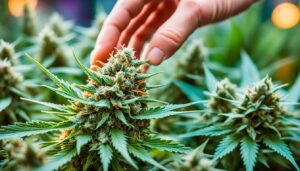
Cannabis in Detroit occupies a dynamic space shaped by legal reform, urban culture, and economic opportunity. As one of Michigan’s largest cities and a historic center of industry, music, and culture, Detroit has embraced cannabis as both a medical necessity and a recreational commodity since statewide legalization measures passed.
Michigan legalized recreational cannabis through Proposal 1 in 2018, allowing adults 21 and older to legally possess, purchase, and cultivate cannabis. Detroit has emerged as a key hub within Michigan’s cannabis landscape, hosting numerous dispensaries, delivery services, and cultivation facilities, alongside a vibrant cultural scene where cannabis has become part of the local identity.
This article explores the cannabis landscape in Detroit in detail, including legal frameworks, retail and delivery markets, social and medical use, law enforcement, cultural aspects, economic impact, and future outlook.
Legal Status of Cannabis in Detroit
Cannabis is fully legal for adult use in Detroit under Michigan law.
Key points include:
-
Adults aged 21 and older can legally possess, purchase, and consume cannabis
-
Licensed dispensaries operate throughout the city
-
Home cultivation is permitted under regulated limits
-
Medical marijuana programs remain available for patients with qualifying conditions
The Michigan Regulation and Taxation of Marihuana Act (MRTMA) governs recreational cannabis use, while the Michigan Medical Marihuana Act (MMMA) continues to regulate medical access.
Possession Limits
Michigan law defines strict possession limits for adults in Detroit:
-
Up to 2.5 ounces of cannabis on person
-
Up to 10 ounces stored at home for recreational use
-
Up to 12 plants per household for personal cultivation
Exceeding these limits can result in legal consequences, ranging from civil fines to criminal charges, depending on the quantity and intent.
Home Cultivation Rules
Residents in Detroit may legally cultivate cannabis at home:
-
Maximum of 12 plants per household, not visible from public areas
-
Cultivation must be for personal use; distribution requires licensing
-
Secure, enclosed areas are required to prevent unauthorized access
Home cultivation allows personal strain experimentation and self-sufficiency for medical or recreational users.
Retail Cannabis Market
Detroit hosts a thriving network of licensed dispensaries:
-
Dispensaries offer flower, edibles, concentrates, tinctures, and topicals
-
Licensed retailers ensure products are tested for potency, contaminants, and safety
-
Retail locations provide education and guidance for both recreational and medical consumers
The retail market supports a wide variety of brands and strains, catering to diverse consumer preferences and cultural trends.
Medical Marijuana Program
Detroit maintains robust access through Michigan’s medical marijuana program:
-
Patients with qualifying conditions can purchase cannabis from licensed dispensaries
-
Benefits include higher purchase limits and tax exemptions for registered users
-
Qualifying conditions include chronic pain, cancer, PTSD, epilepsy, and other medical disorders
Medical marijuana remains an important avenue for therapeutic cannabis use, distinct from recreational consumption.
Cannabis Delivery Services
Delivery services have grown significantly in Detroit:
-
Licensed dispensaries may deliver cannabis products to adults 21+
-
Delivery ensures compliance with safety, quality, and verification standards
-
Online ordering and app-based platforms increase convenience for residents and visitors
Delivery services enhance accessibility, particularly for patients or those unable to visit dispensaries directly.
Taxes and Pricing
Cannabis in Detroit is subject to multiple tax structures:
-
10% excise tax on recreational marijuana sales
-
State sales tax applies on top of excise taxes
-
Local taxes may also be levied by Detroit authorities
Medical cannabis patients generally benefit from lower taxation, promoting affordability for those using cannabis for health purposes.
Public Consumption Laws
While cannabis is legal, public use in Detroit is restricted:
-
Smoking or vaping in public spaces is prohibited
-
Consumption is permitted on private property or at licensed social consumption venues
-
Consumption in vehicles or near schools is strictly prohibited
Adherence to public consumption laws ensures legal compliance and reduces public conflicts.
Cannabis Lounges and Social Consumption
Social consumption venues have begun to emerge in Detroit:
-
Licensed lounges provide legal spaces for cannabis consumption and social interaction
-
Dispensaries may host educational events, tastings, and community engagement activities
-
Social consumption aligns with Detroit’s hospitality, tourism, and cultural sectors
These venues help normalize responsible use while creating safe, regulated environments.
Cannabis Culture in Detroit
Detroit’s cannabis culture is intertwined with its historic and contemporary identity:
-
Use is socially integrated within music, arts, and nightlife communities
-
Wellness and CBD products complement traditional recreational use
-
Cannabis events and advocacy groups promote education, equity, and community engagement
The culture emphasizes both responsible consumption and creative expression, reflecting the city’s diverse population.
Driving Under the Influence
Driving under the influence of cannabis is illegal in Detroit:
-
DUI laws treat cannabis impairment similarly to alcohol-related offenses
-
Penalties include fines, license suspension, and potential jail time
-
Law enforcement uses field sobriety tests and chemical analysis to assess impairment
Even legal users must avoid operating vehicles under the influence to comply with the law.
Workplace Policies
Employers in Detroit retain authority over cannabis use:
-
On-duty impairment is prohibited
-
Drug testing policies may apply, even for legal off-duty consumption
-
Safety-sensitive roles, such as transportation or construction, have stricter restrictions
Employees should review company policies to prevent employment conflicts related to cannabis use.
Economic Impact of Cannabis
Cannabis legalization has had a major economic impact in Detroit:
-
Creation of jobs in cultivation, retail, distribution, and ancillary services
-
Tax revenue supports education, public safety, and city infrastructure
-
Business opportunities include local artisanal brands, marketing, and technology sectors
The city’s cannabis economy contributes both to employment and broader economic revitalization.
Social Equity Programs
Detroit incorporates social equity initiatives to address historical cannabis prohibition impacts:
-
Expungement programs for prior low-level cannabis convictions
-
Priority licensing and financial support for minority-owned businesses
-
Workforce development and community engagement programs
These initiatives aim to foster equitable participation and economic inclusion in the cannabis industry.
Law Enforcement and Compliance
Law enforcement in Detroit emphasizes:
-
Monitoring illegal sales and unlicensed operations
-
Enforcement of possession, public consumption, and DUI laws
-
Education campaigns for residents and tourists regarding legal compliance
This regulatory framework encourages responsible use while protecting public safety.
Cannabis and Tourism/weed in Detroit
Cannabis tourism is an emerging sector in Detroit:
-
Visitors over 21 can legally purchase from licensed dispensaries
-
Social consumption lounges and events provide educational and recreational experiences
-
Cannabis-themed tours and hospitality offerings integrate with Detroit’s cultural and entertainment sectors
The city is positioning itself as a Midwest destination for legal cannabis experiences.
Challenges in Detroit’s Cannabis Market/weed in Detroit
Despite legalization, challenges persist:
-
Complex licensing and regulatory requirements for businesses
-
Competition from illicit markets due to pricing and tax structures
-
Balancing community standards with tourism demand
-
Navigating social equity and inclusion programs effectively
Addressing these challenges is critical for sustainable market growth/weed in Detroit.
Future Outlook for Cannabis in Detroit
The future of cannabis in Detroit includes:
-
Expansion of social consumption lounges and delivery services
-
Growth in artisanal cultivation and specialty product offerings
-
Continued integration with tourism, hospitality, and wellness sectors
-
Refinement of regulatory, taxation, and social equity frameworks
Frequently Asked Questions (FAQs)
Is weed legal in Detroit?
Yes, recreational and medical cannabis are legal for adults 21 and older.
How much cannabis can I carry?
Up to 2.5 ounces on person, 10 ounces at home, and 12 plants per household for cultivation.
Can I grow cannabis at home?
Yes, adults may cultivate up to 12 plants per household for personal use.
Are dispensaries available?
Yes, Detroit has numerous licensed dispensaries for both medical and recreational use.
Is public consumption allowed?
No, consumption is restricted to private property or licensed venues.
Can tourists buy cannabis?
Yes, visitors 21+ can legally purchase from licensed dispensaries.
Is driving after cannabis use legal?
No, driving under the influence is strictly prohibited with severe penalties.
References on weed in Detroit
-
Michigan Regulation and Taxation of Marihuana Act (MRTMA)
-
Michigan Medical Marihuana Act (MMMA)
-
Detroit Municipal Ordinances on Cannabis
-
Public Safety and DUI Enforcement Guidelines
-
Economic Reports on Michigan Cannabis Market
Conclusion on weed in Detroit
Cannabis in Detroit represents a mature and rapidly developing legal market that combines access, regulation, cultural acceptance, and economic opportunity. Residents and visitors benefit from licensed dispensaries, home cultivation, delivery services, and emerging social consumption spaces, while law enforcement balances public safety with regulatory compliance.
Detroit’s cannabis industry contributes significantly to economic revitalization, tourism, and job creation, while social equity programs aim to rectify historical injustices.
As Detroit’s cannabis landscape continues to evolve, the city remains a model for integrating legalized cannabis into urban life, blending cultural identity, economic development, and responsible use.
in need of some hooker, any body to help???
Skywalker product exceeded my expectations in both potency and purity, I really appreciated the discretion and professionalism in the delivery process , you can reach to him on Telegram t.me/skywalkerOG_1 and also there email realskywalkerog1@gmail.com
Great selection of all products. I was blown away with how many strains they had available! 13/10 would recommend to anyone! For sure will be back.

I love it .My husband has stage four cancer and he isn’t eating or waking up . sky helped me so much . He took his time . Listen to my issue for my husband . Although I did spend and tipped because he gave me first class service .I didn’t have a clue what to get . I will be a returning customer, Also i later found another great seller too ,sky is not always online ,(PLUTO 420 ) His ZANGI details is link → https://services.zangi.com/dl/conversation/6642633134

The indica blend helped me finally sleep through the night thank you.